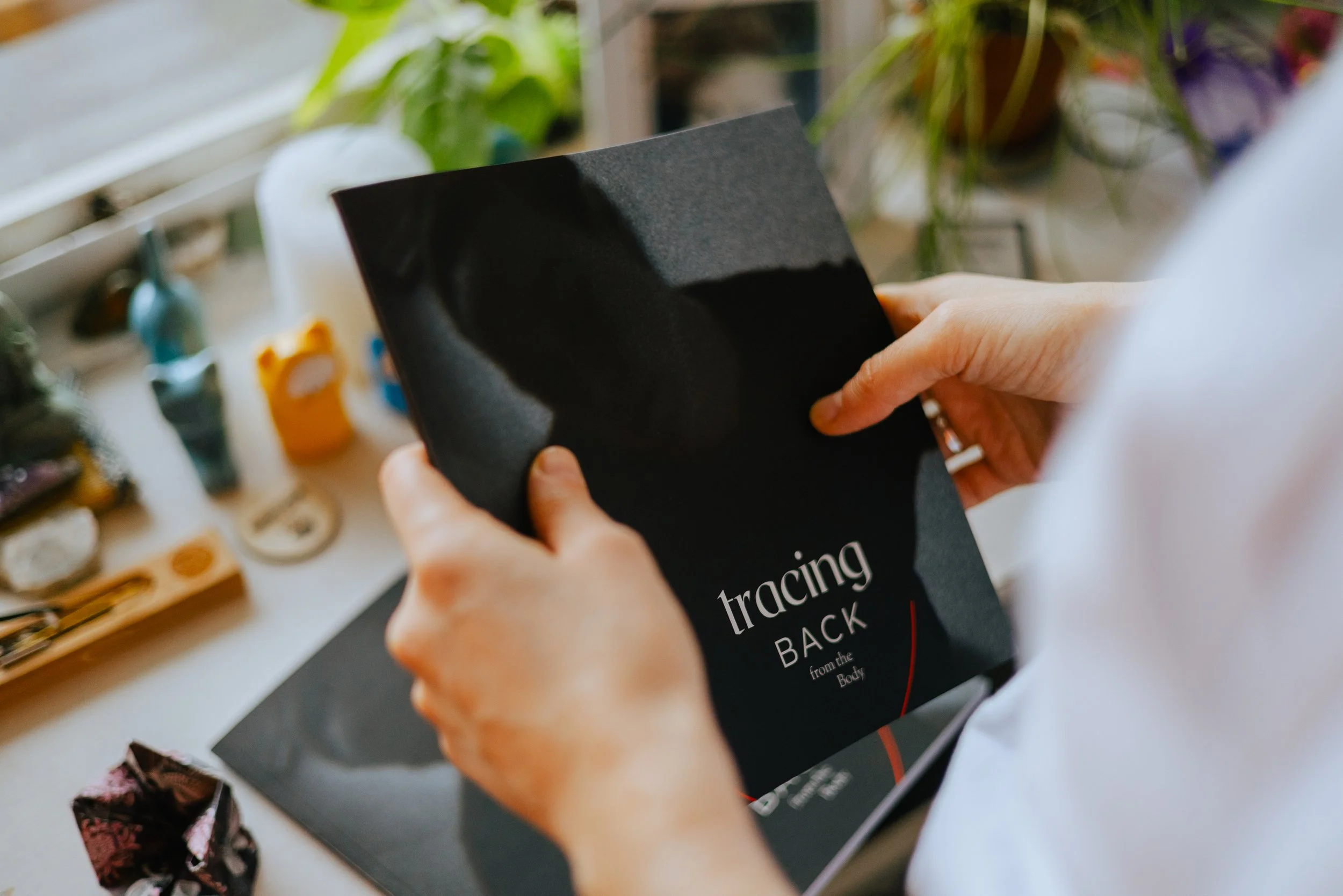
Tracing back from the body
Tracing Back from the Body began as a quiet unease. Between work, rehearsals, research, life and deadlines, and the pressure to keep producing, I began to notice a growing distance between me and my own body. This book grew from that moment of distance and the slow return to myself.
In this portfolio, I’m tracing what my practice leaves behind: small gestures, objects, photographs, memories. I’m interested in how the body remembers, and how those memories keep moving.
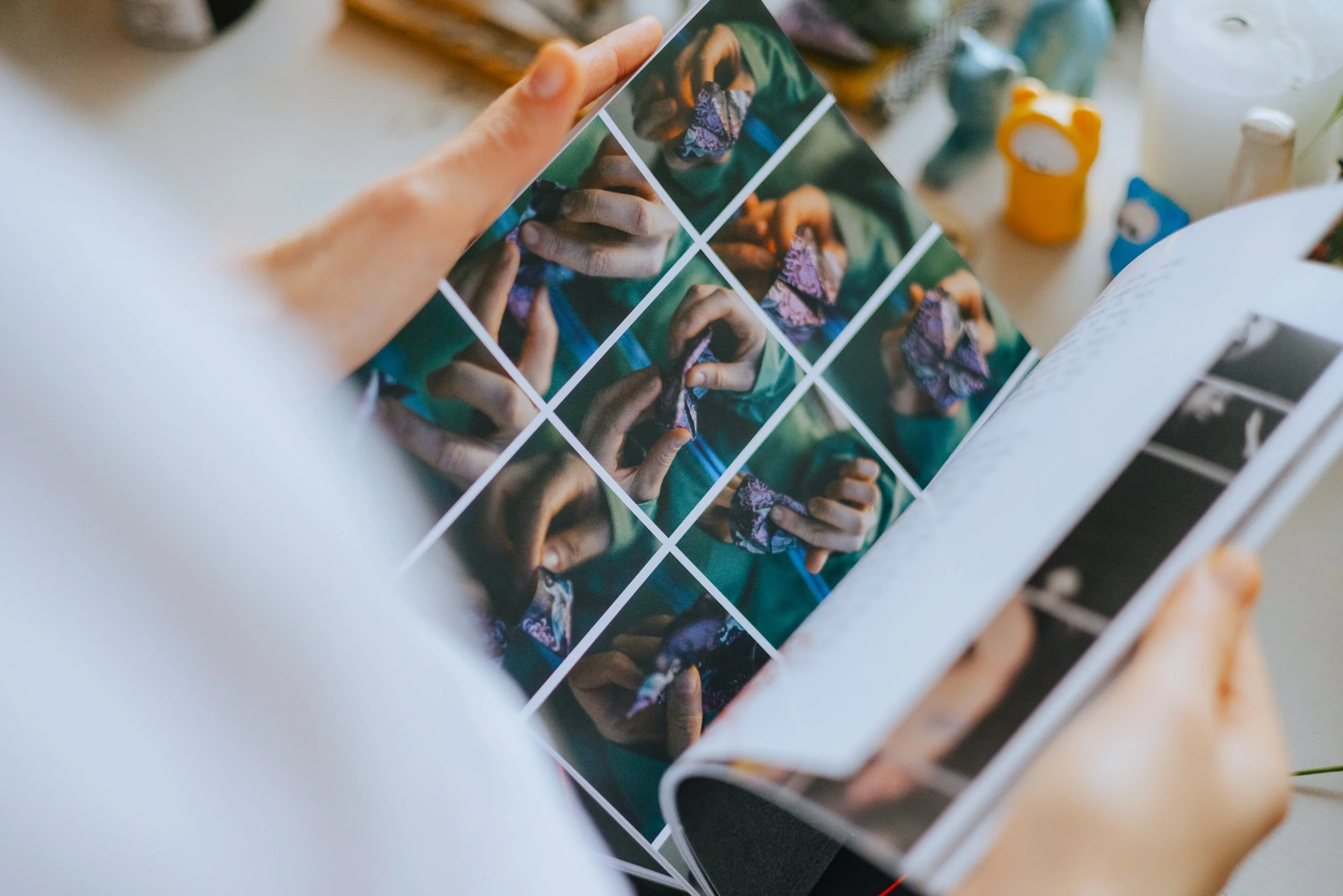
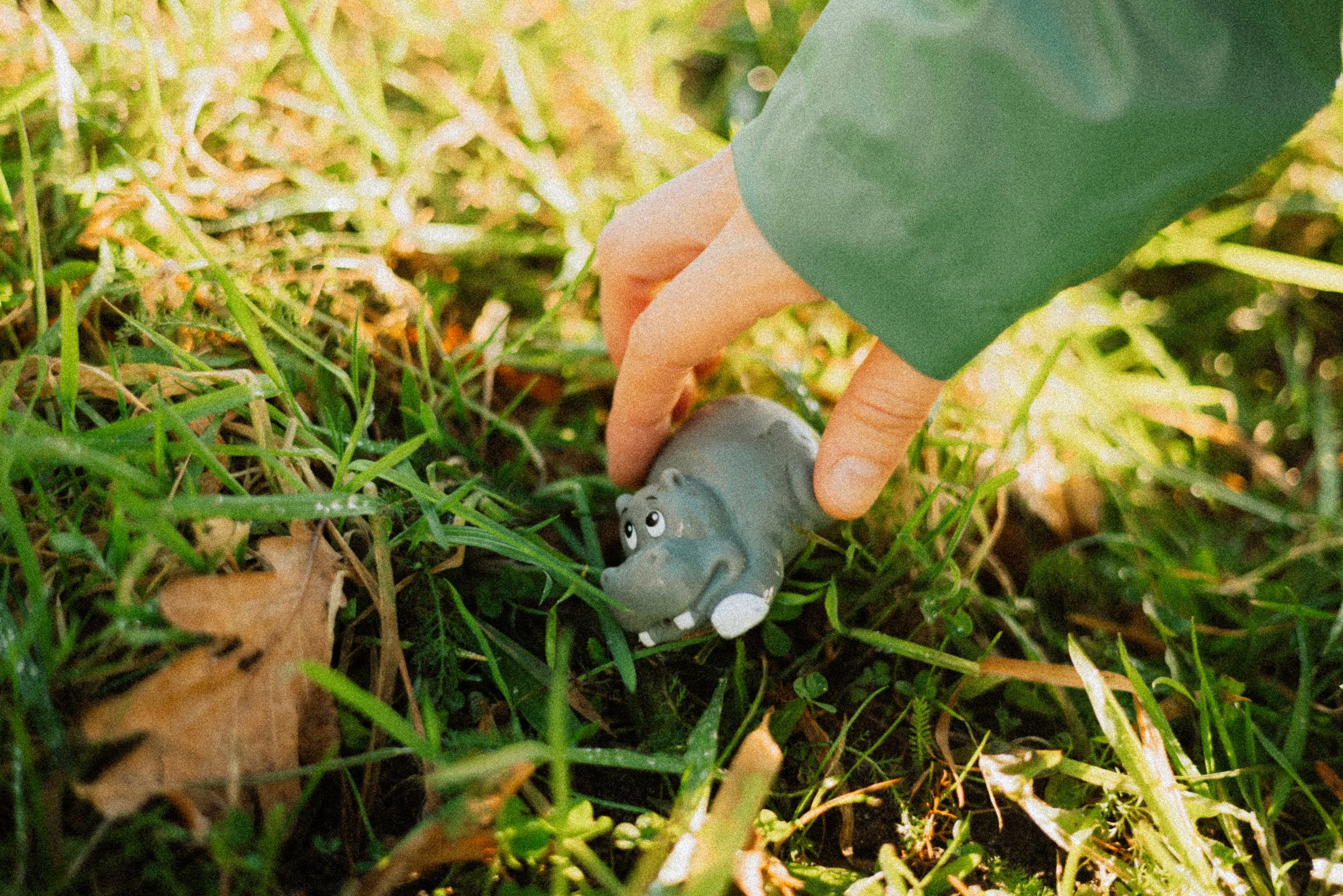
While living in the Netherlands, collecting became a way to stay grounded. I started gathering small things—objects from the street, studio notes, screenshots, photographs, gestures that lingered after rehearsals, patterns in my daily routes.
Collection operated as both a practical tool and a conceptual strategy. By gathering, organising, and juxtaposing materials across time and space, I created a framework for examining the relationship between object, image, and body.
“For every thought supported by feeling, there is a muscle change. Primary muscle patterns being the biological heritage of man, man's whole body records his emotional thinking.”
Mabel E. Todd
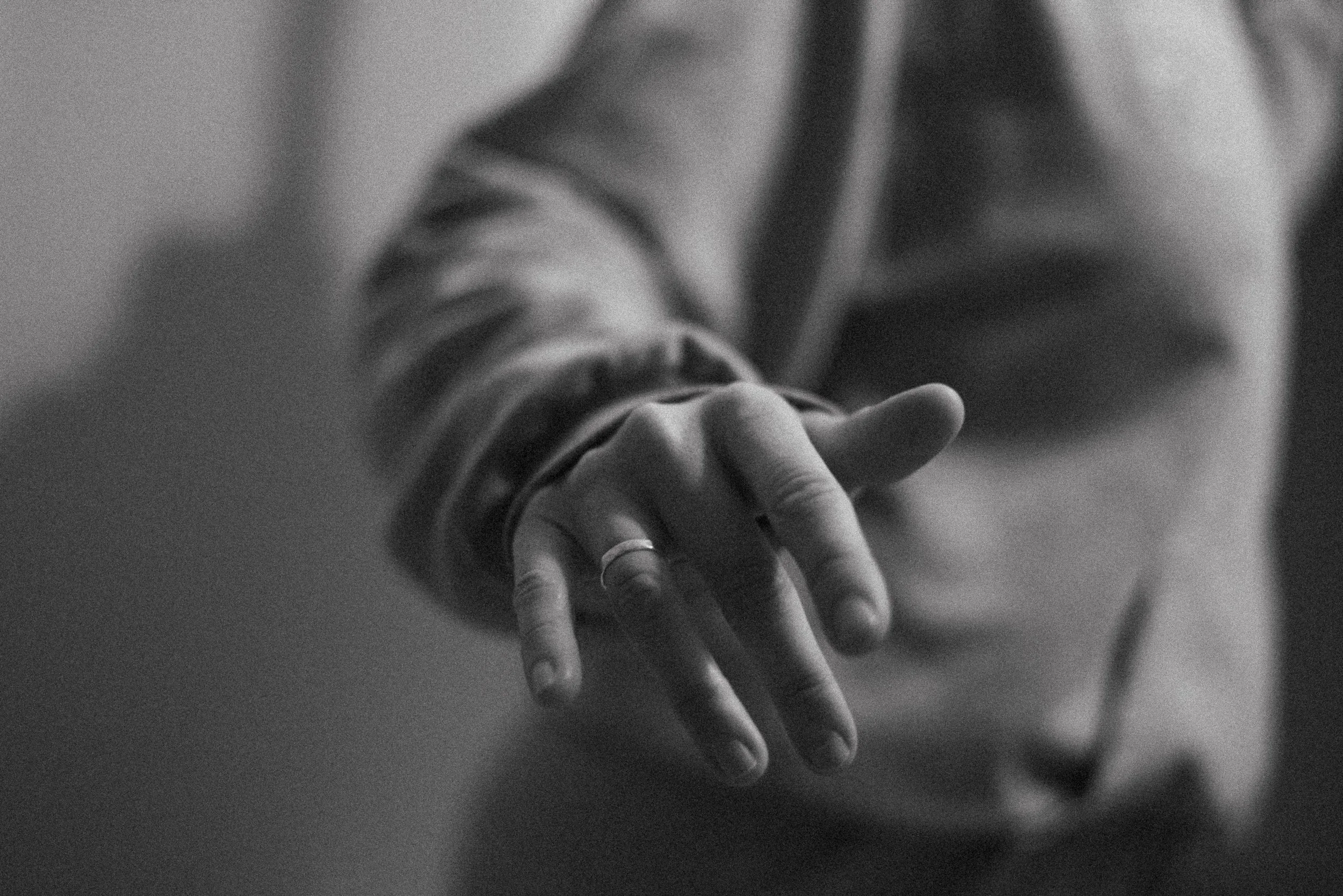
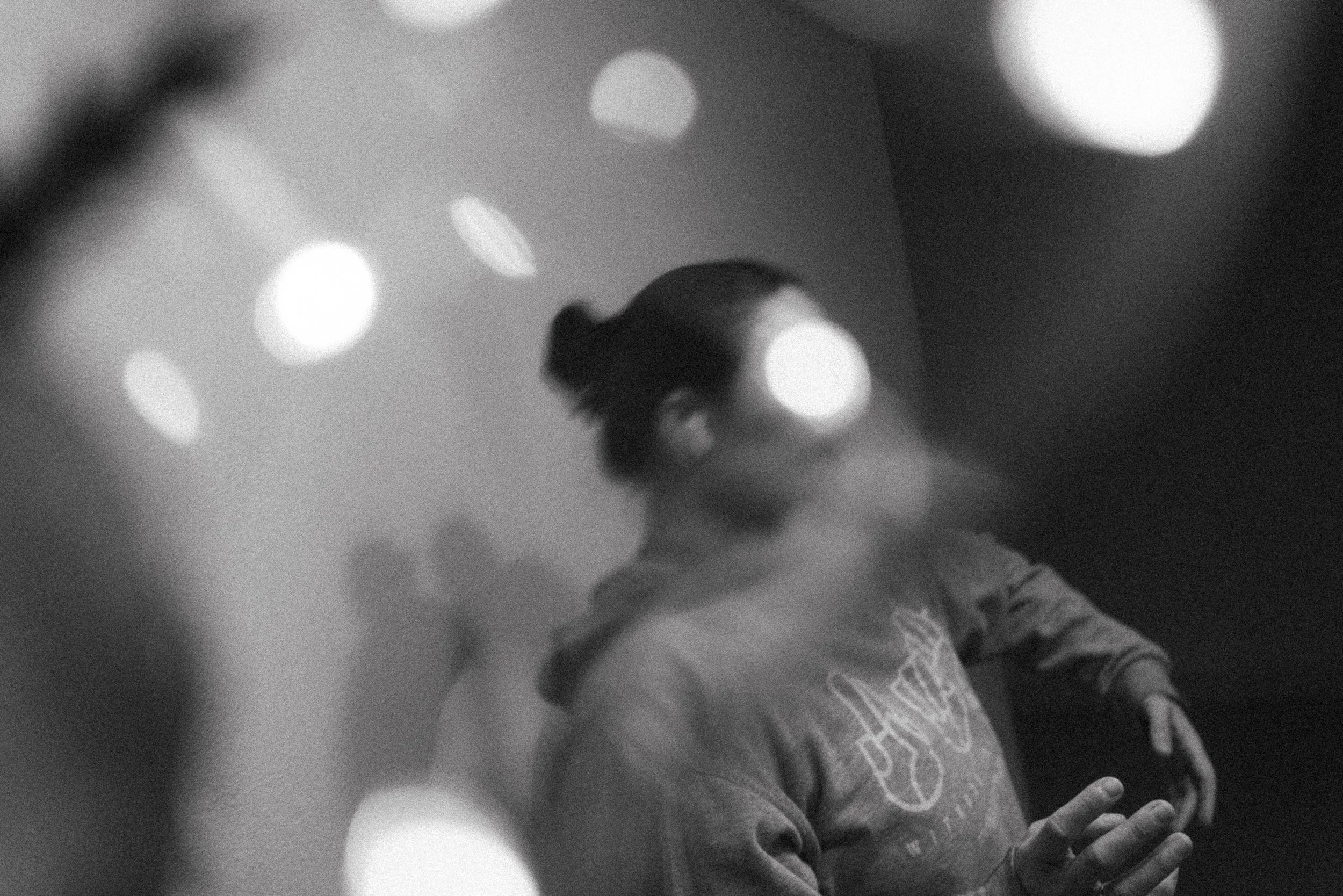
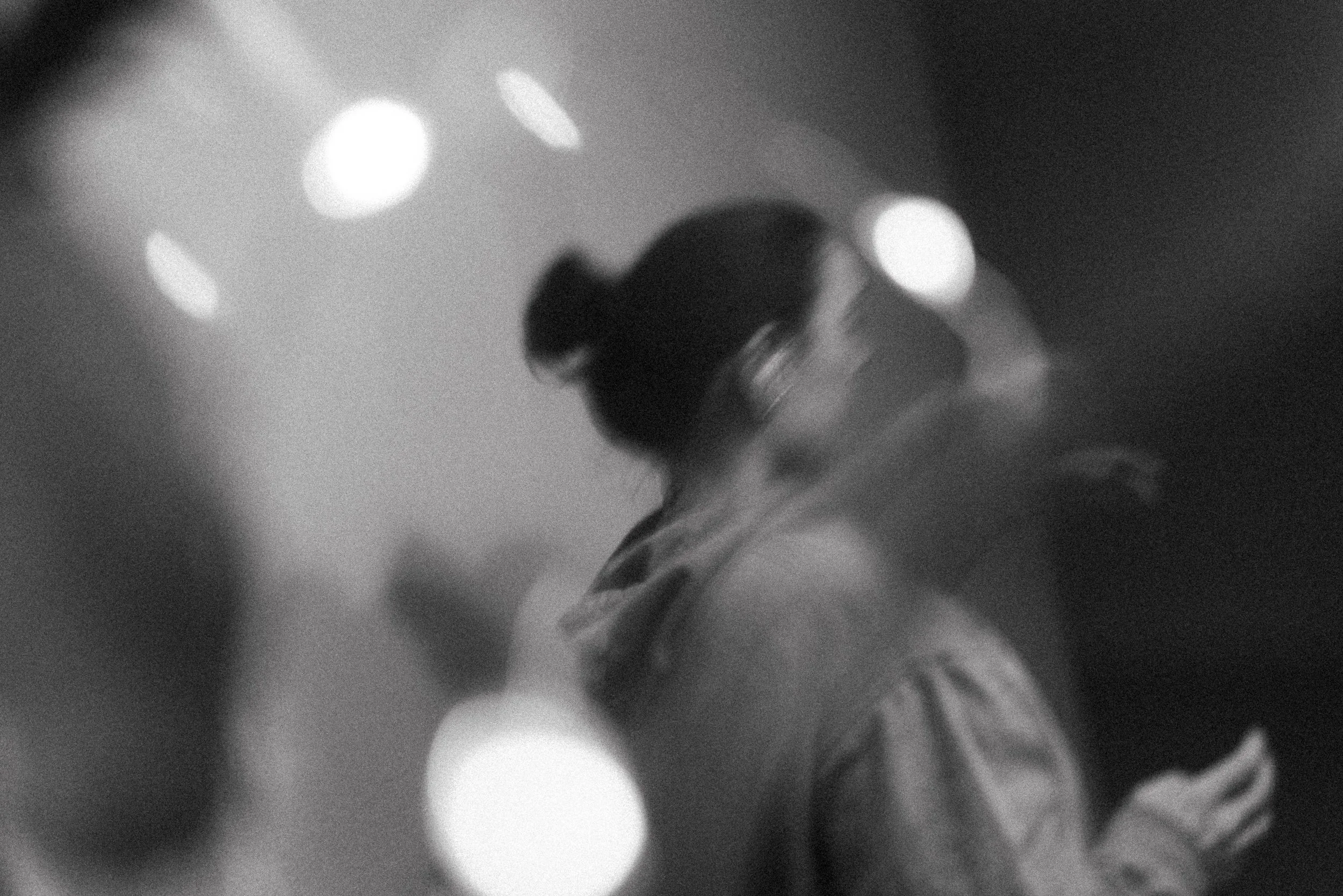
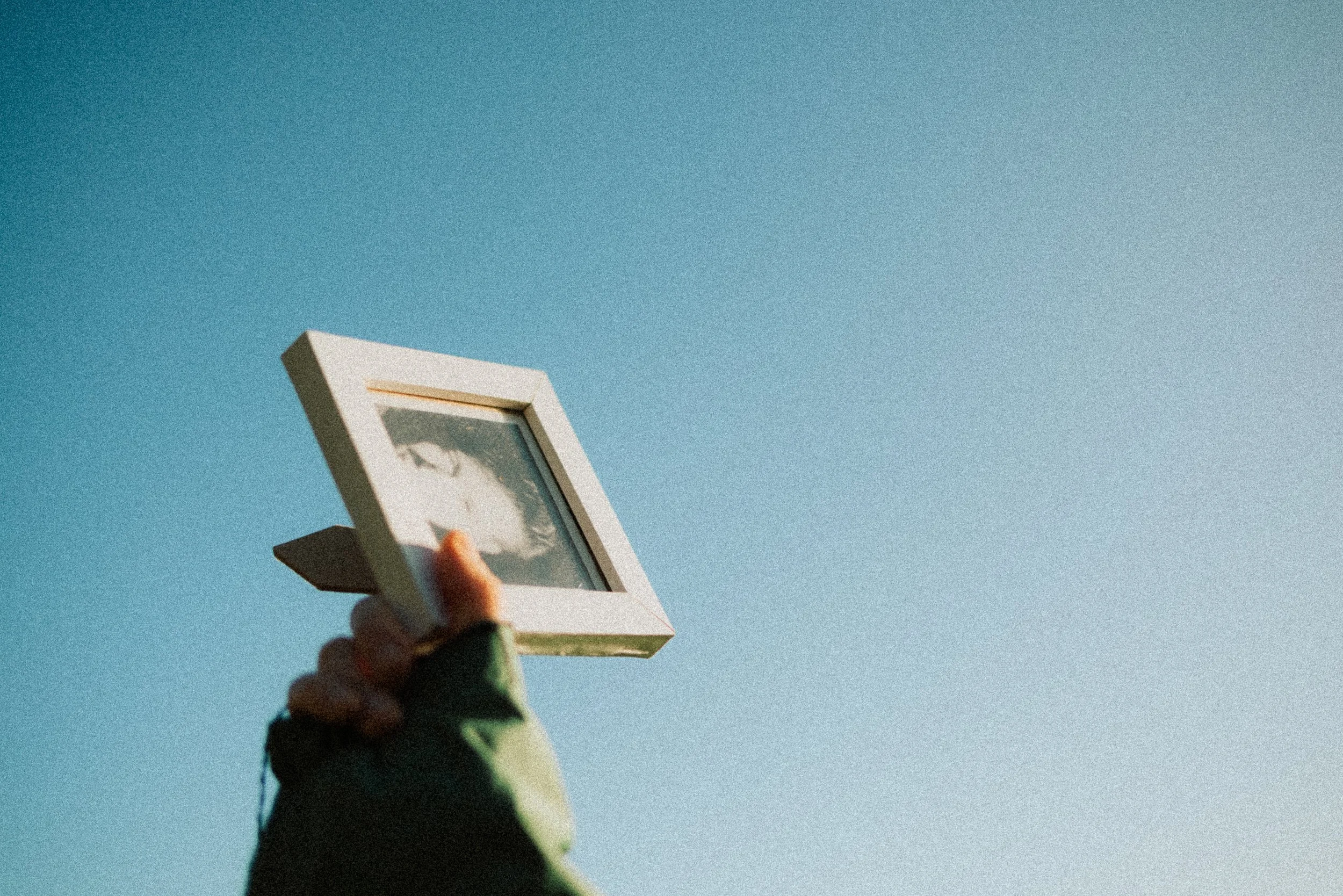

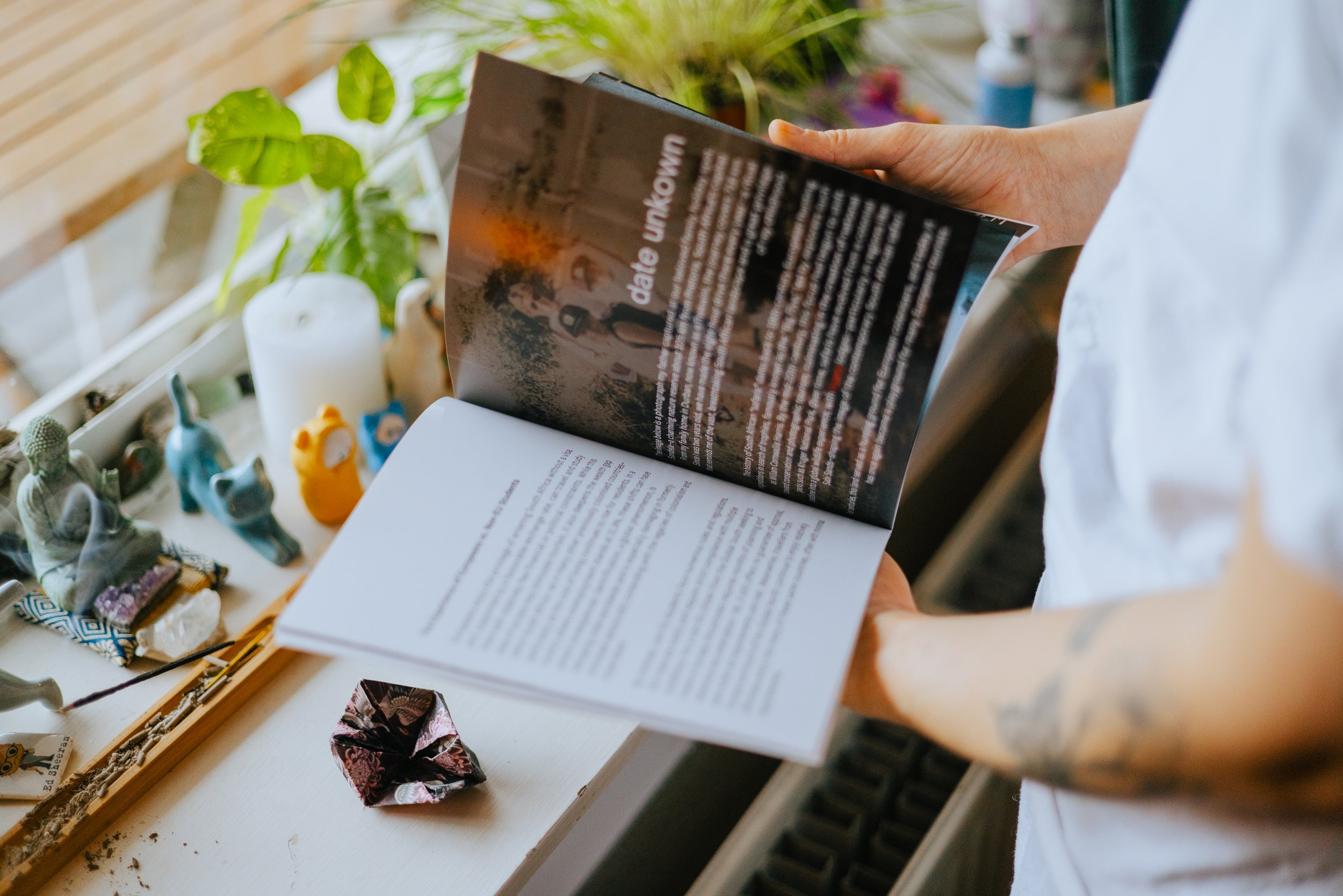
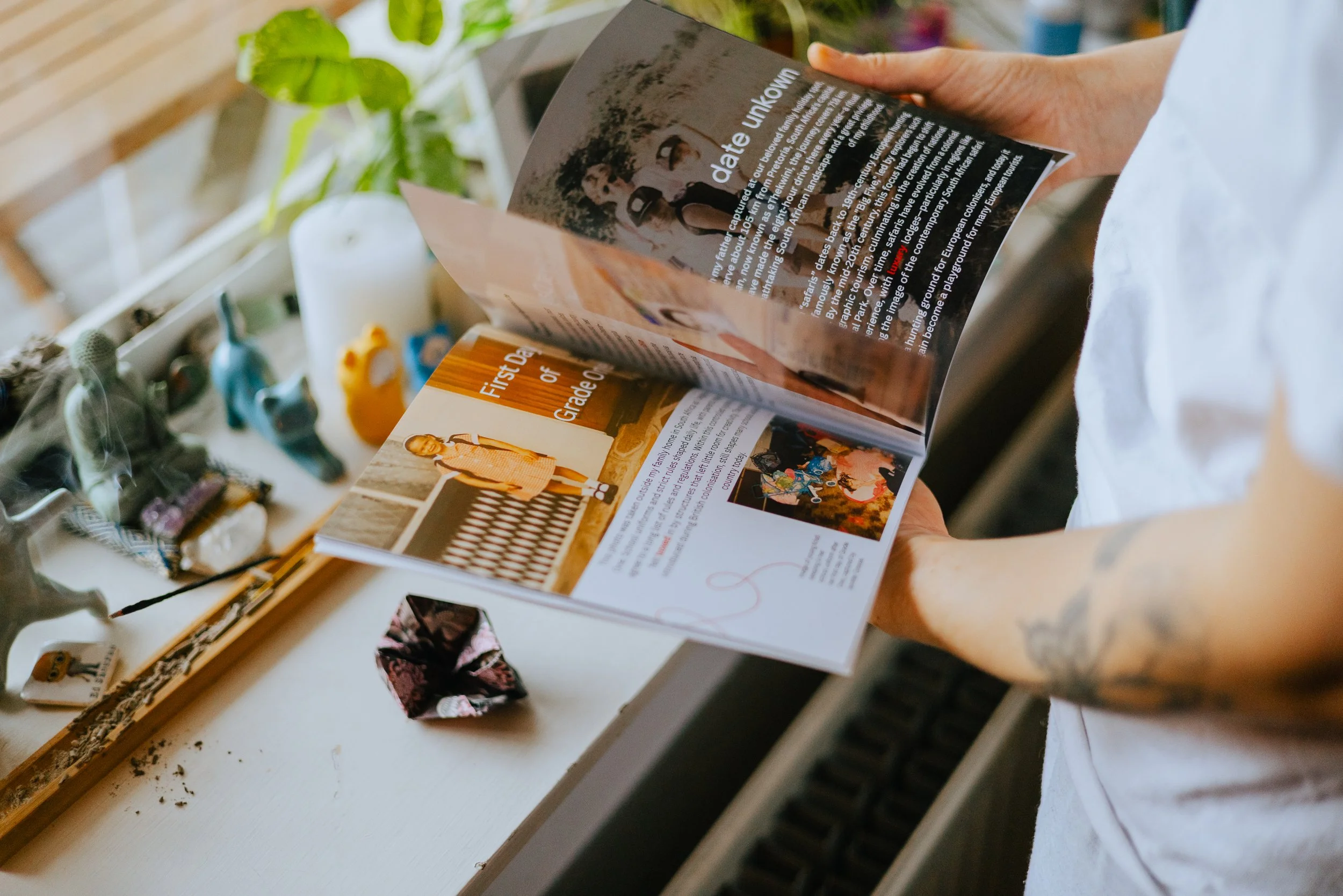
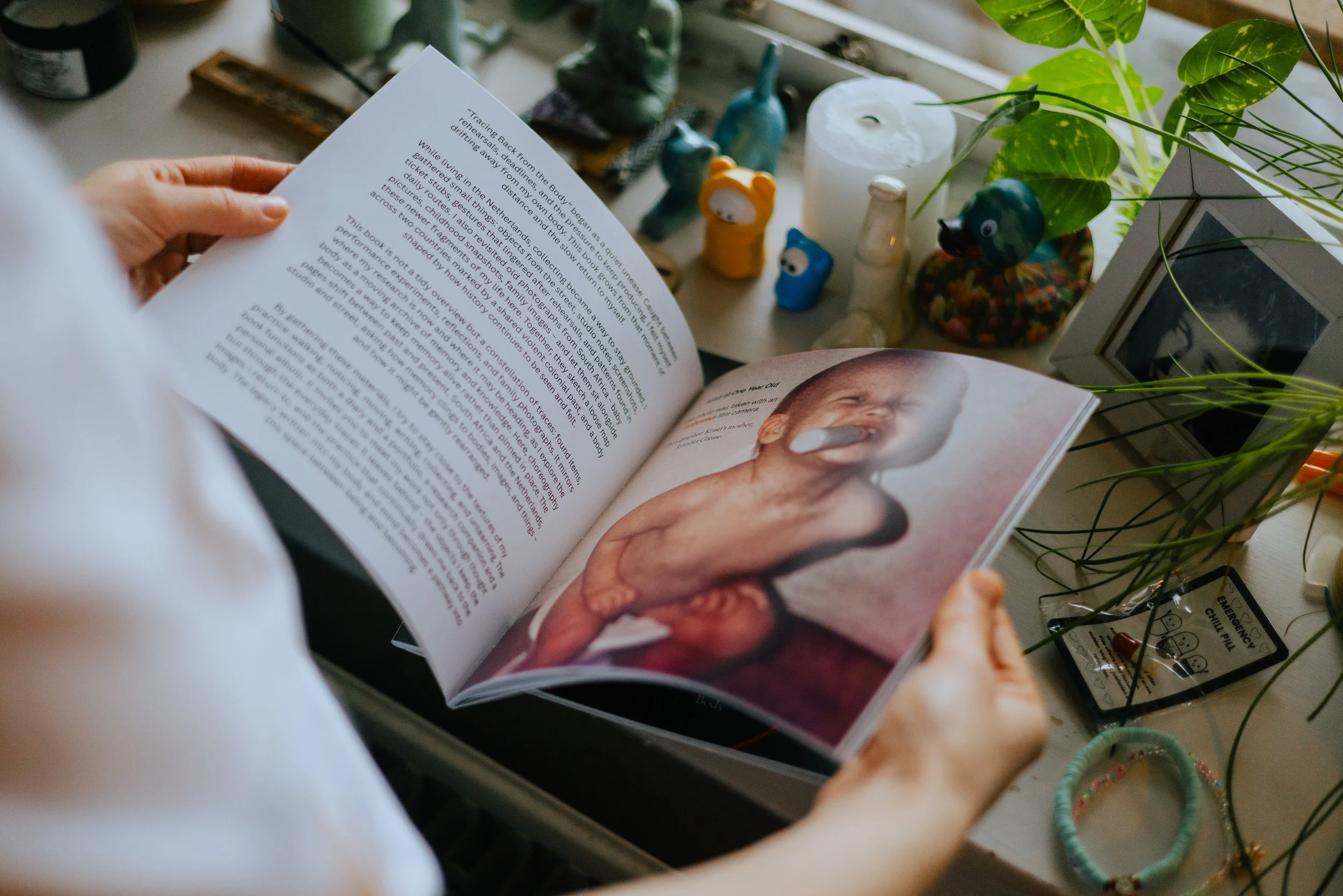
In making the book, I let past and present sit alongside each other. Baby pictures and family photographs from South Africa appear next to screenshots and rehearsal images from the Netherlands.
These pages sketch a loose map of the relationship between two countries that share a violent colonial past. My body carries that history too—it shapes how I move, how I’m seen, and how I feel myself in these different places.
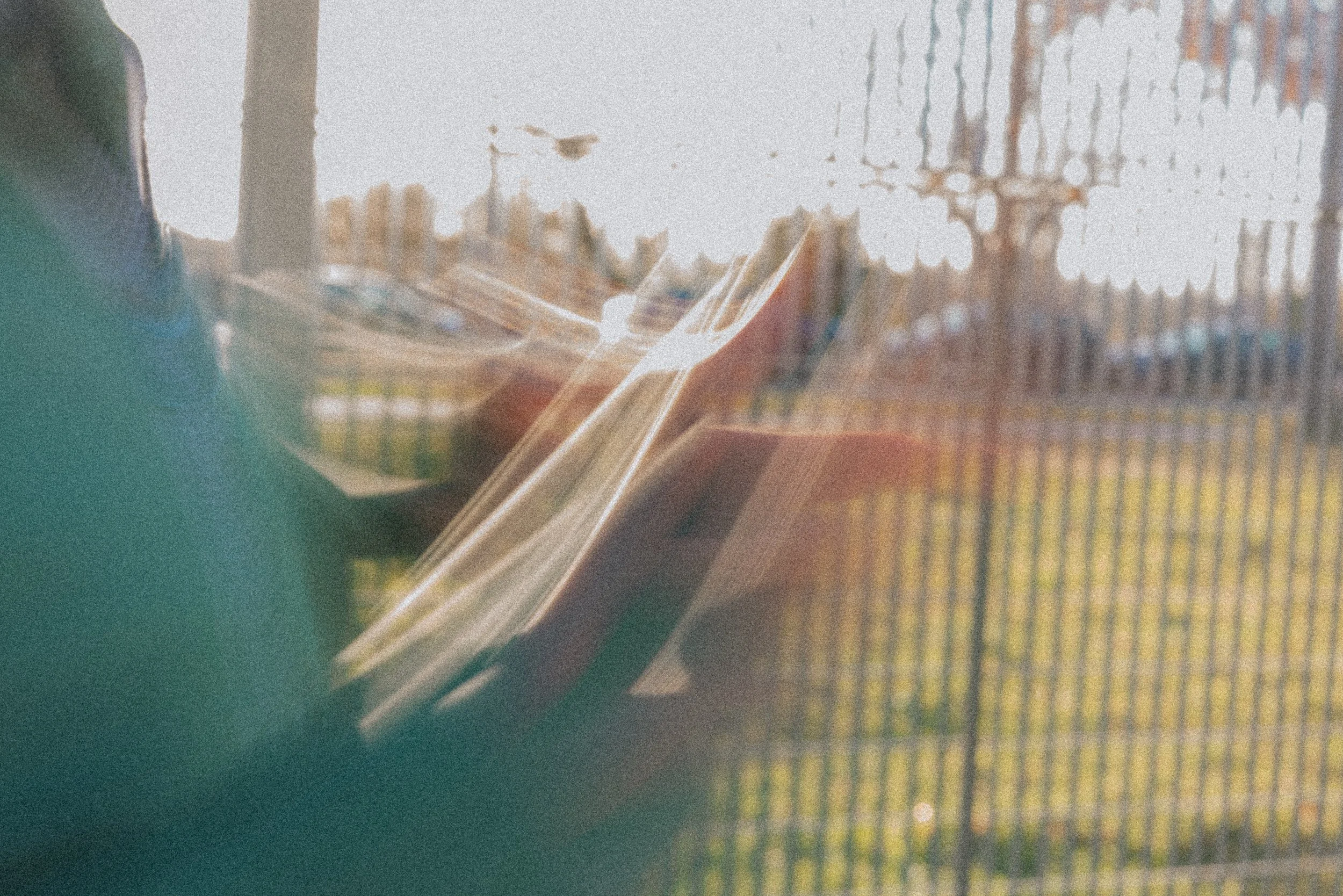
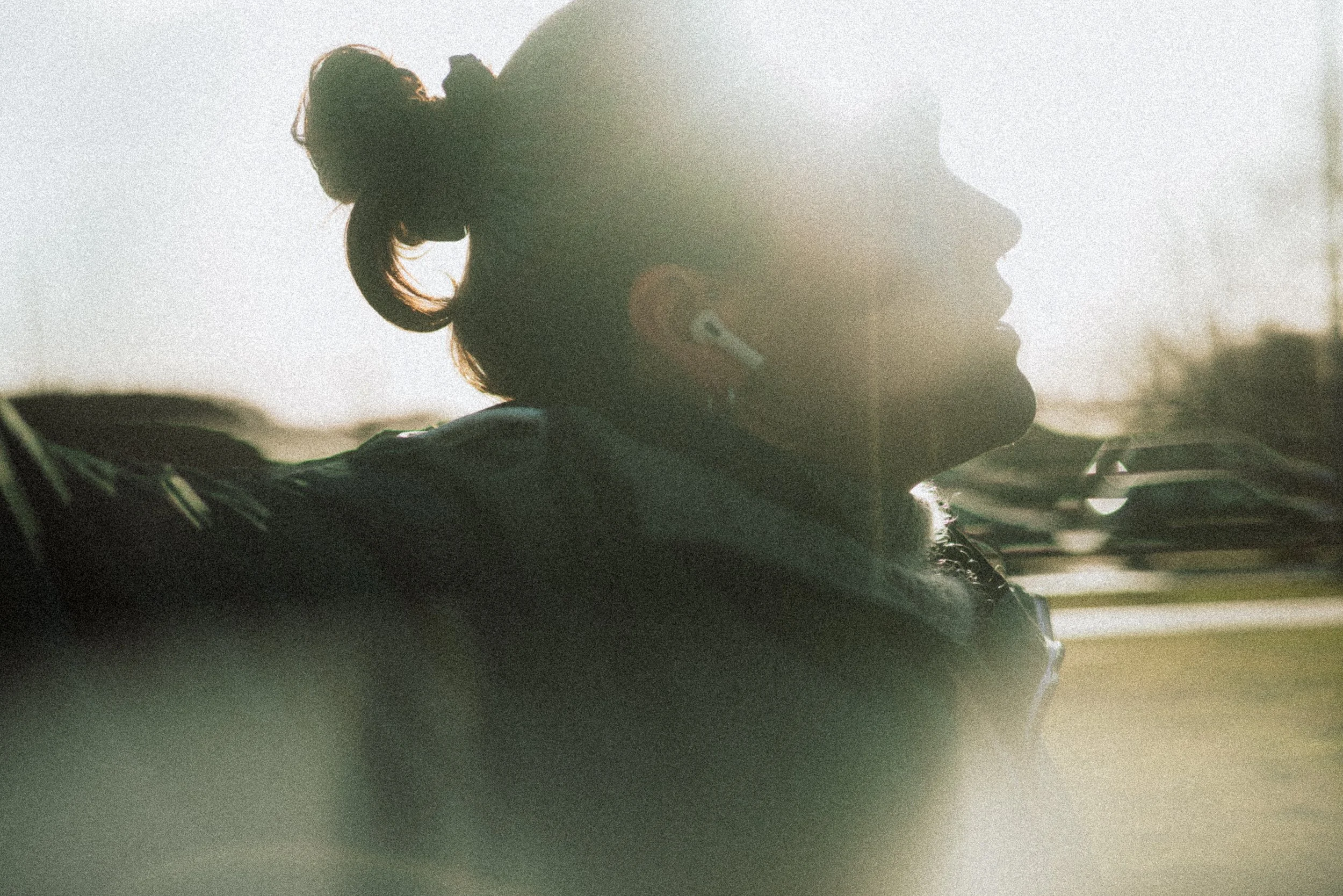
A sentence that stayed with me while I was working on this project comes from Mabel E. Todd’s The Thinking Body. 'For every thought supported by feeling, there is a muscle change. Primary muscle patterns being the biological heritage of man, man's whole body records his emotional thinking.'
This framework is valuable because it suggests that memory is not merely neural or psychological; it is somatic. The body holds information that might otherwise remain inaccessible through language or conscious reflection.
I recognise myself in that. My muscles remember rehearsals, injuries, habits, but also fear, care, and joy. When I choreograph, I’m not only composing steps—I’m listening for what my body is already carrying.
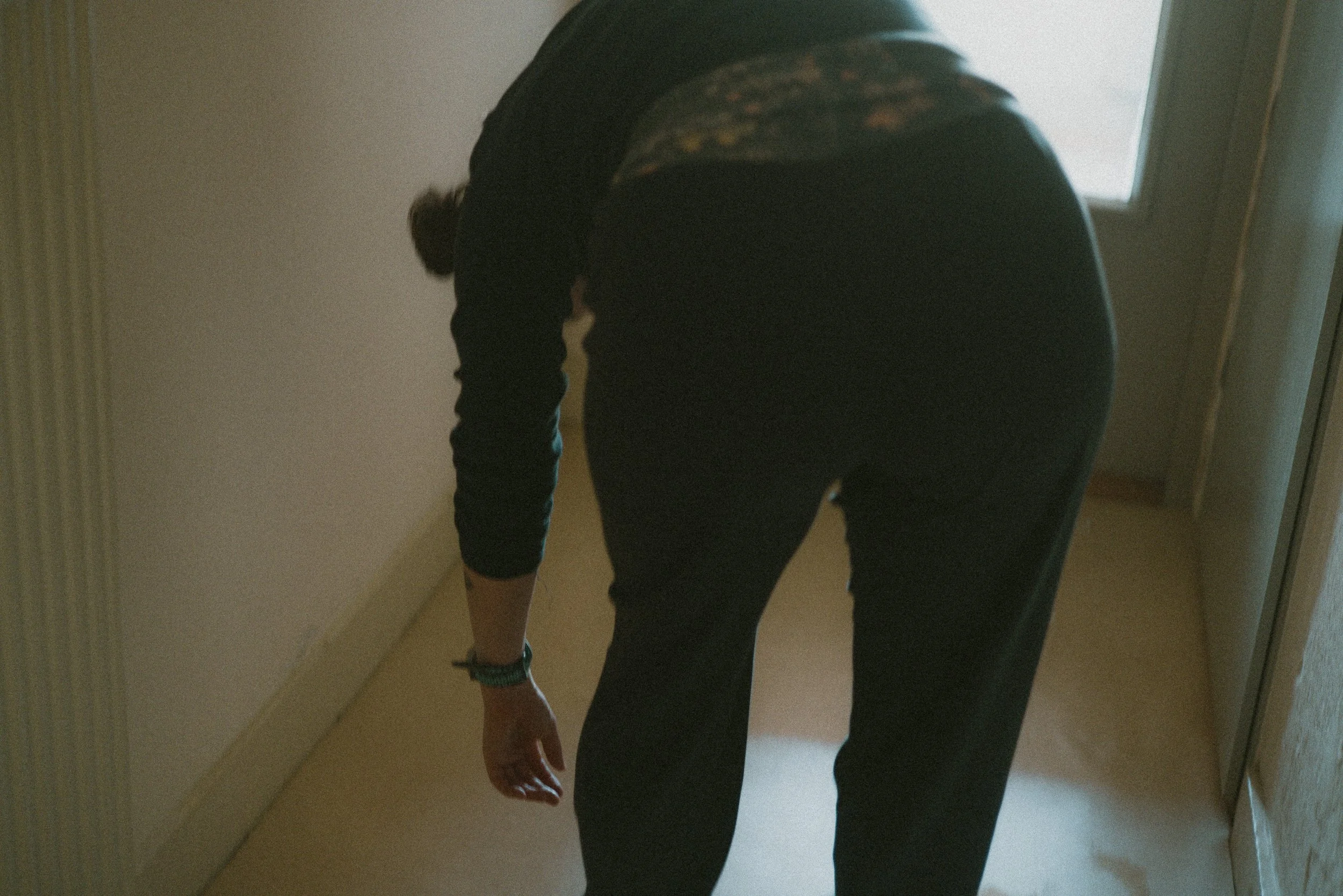
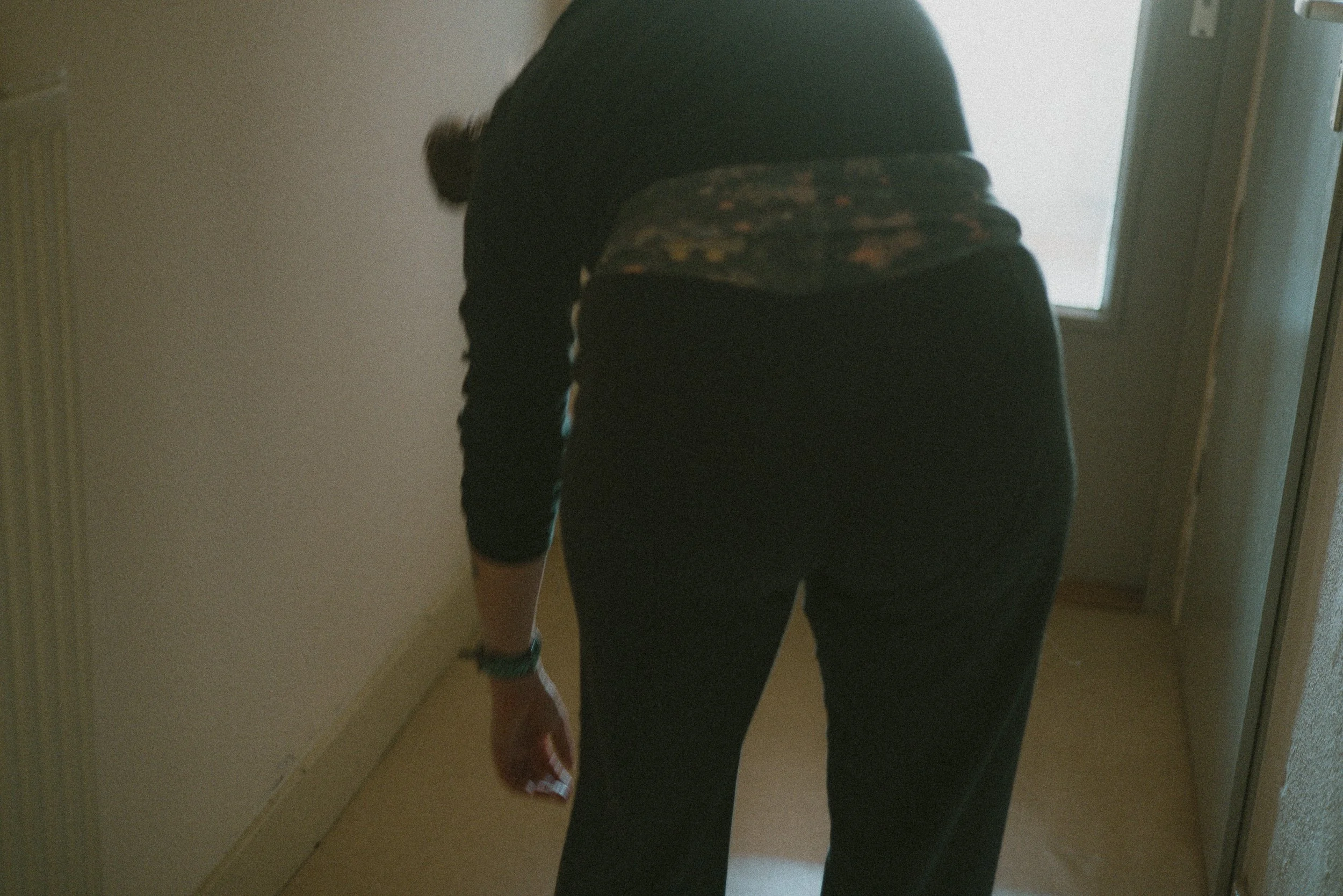
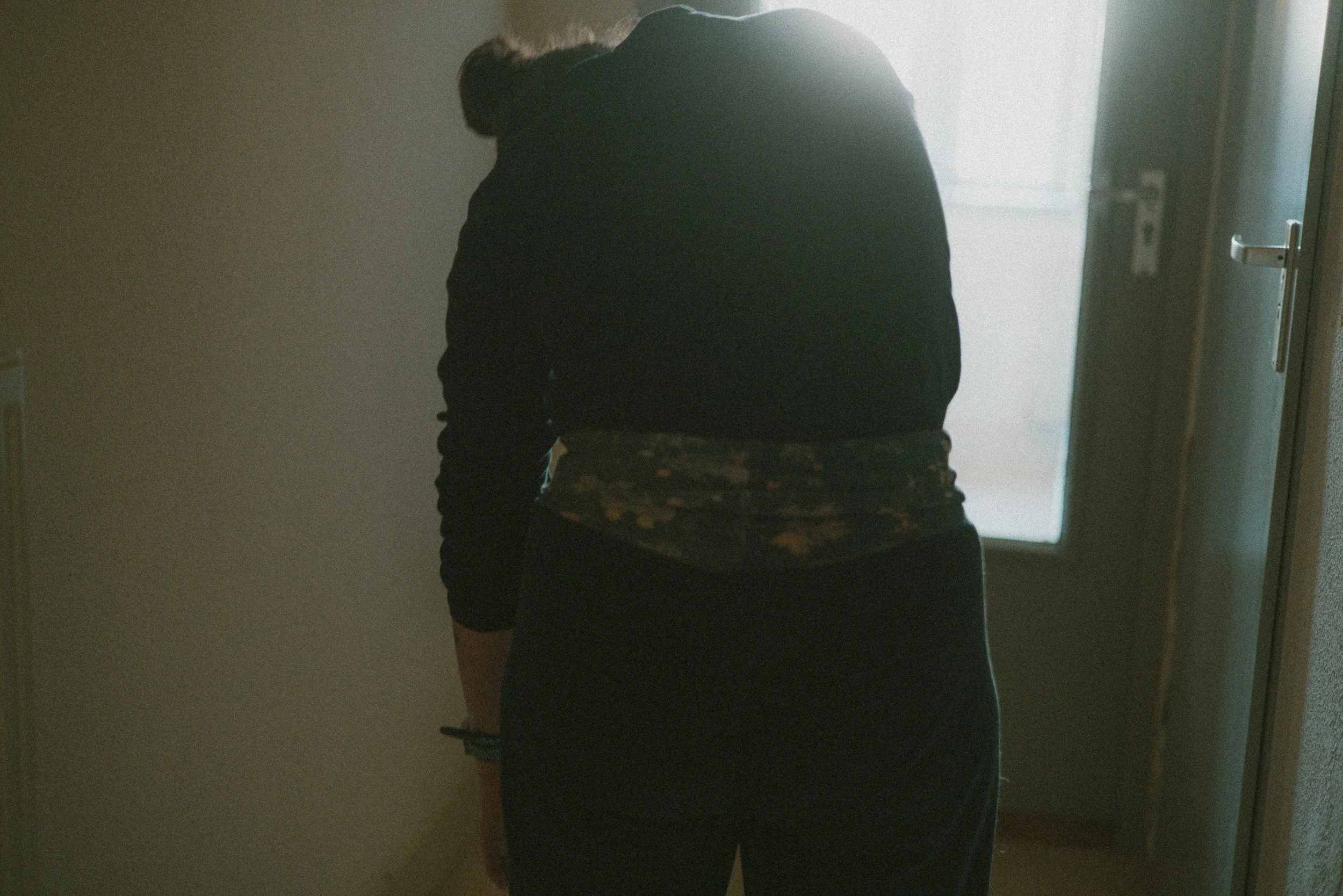
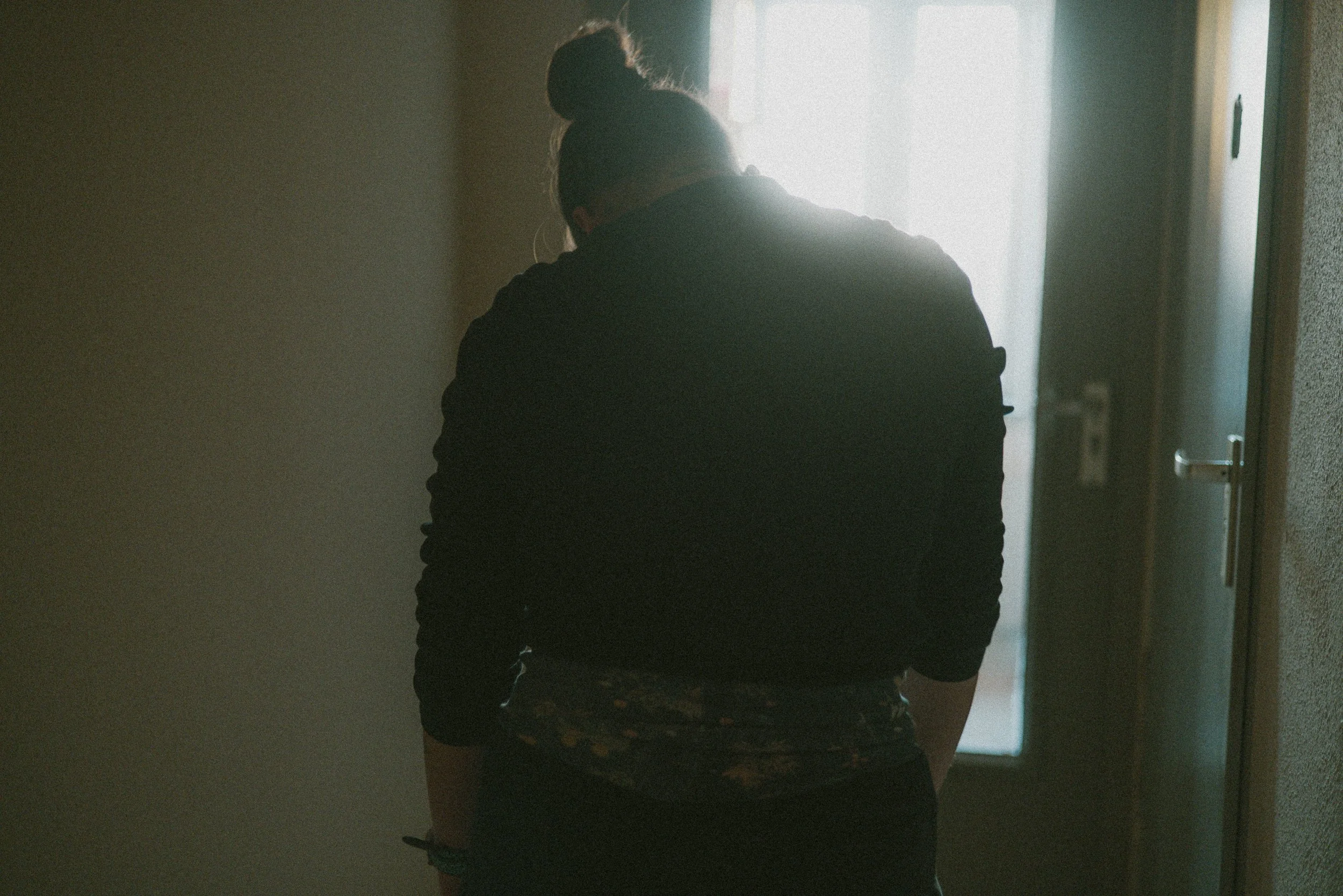
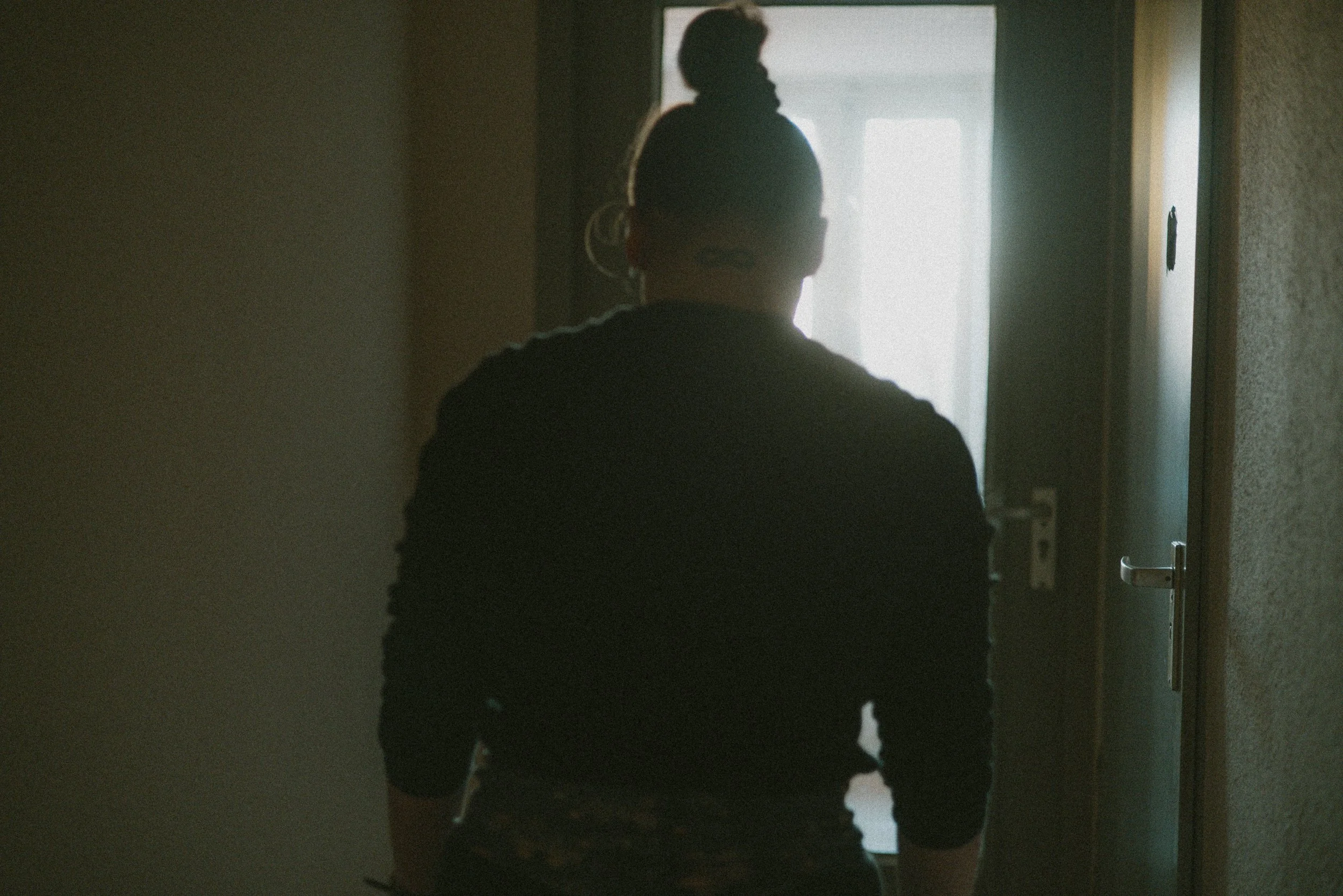
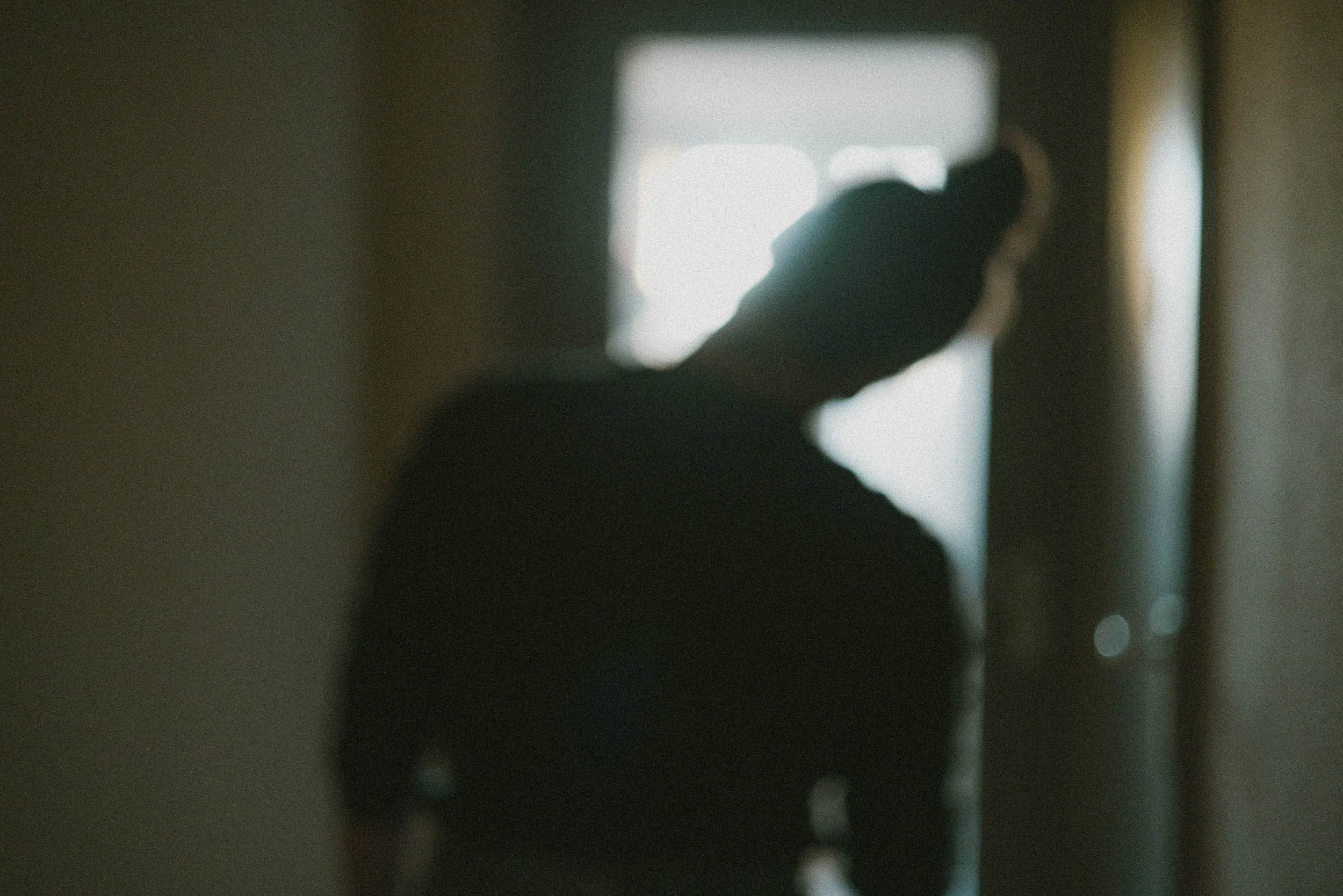
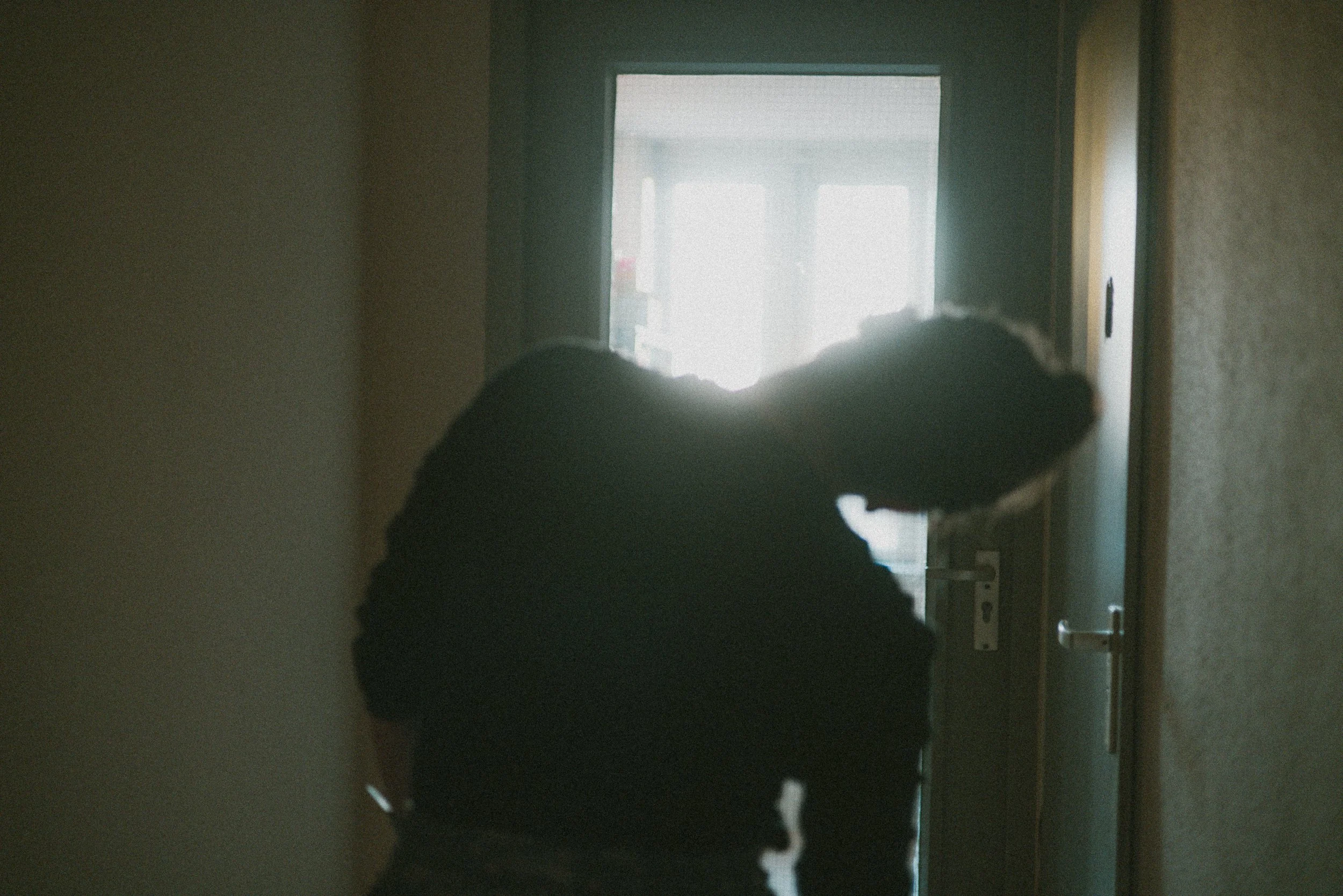
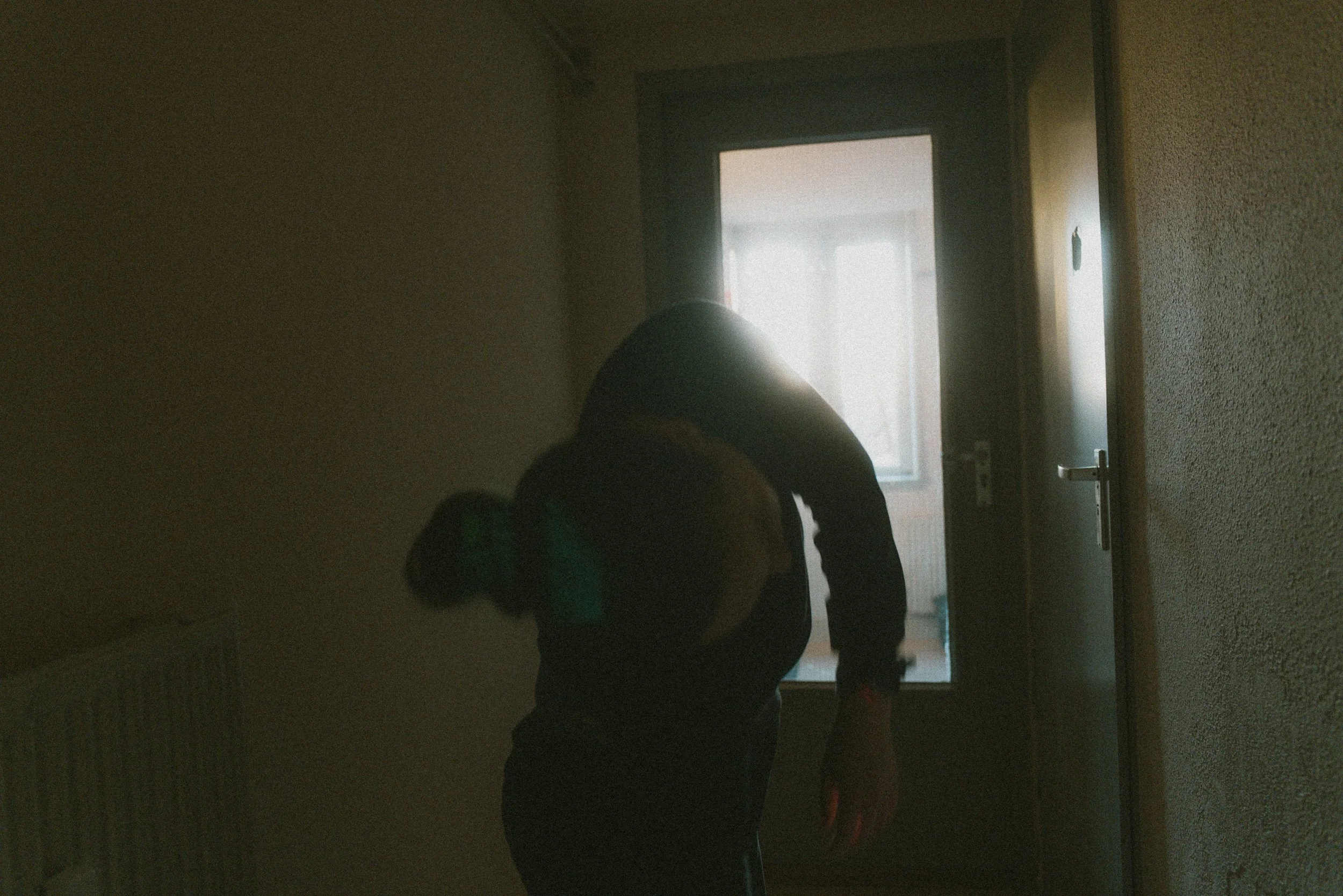
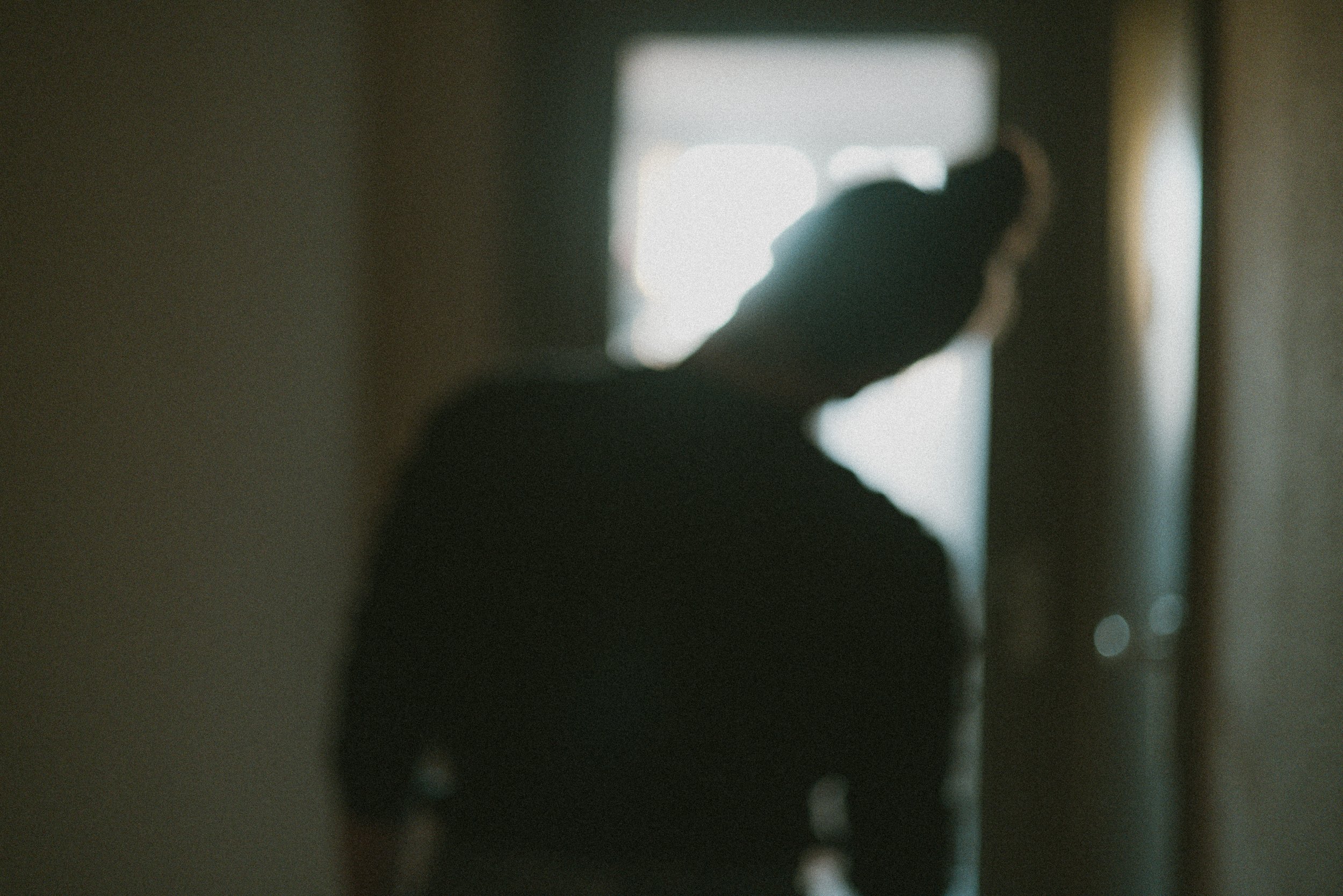
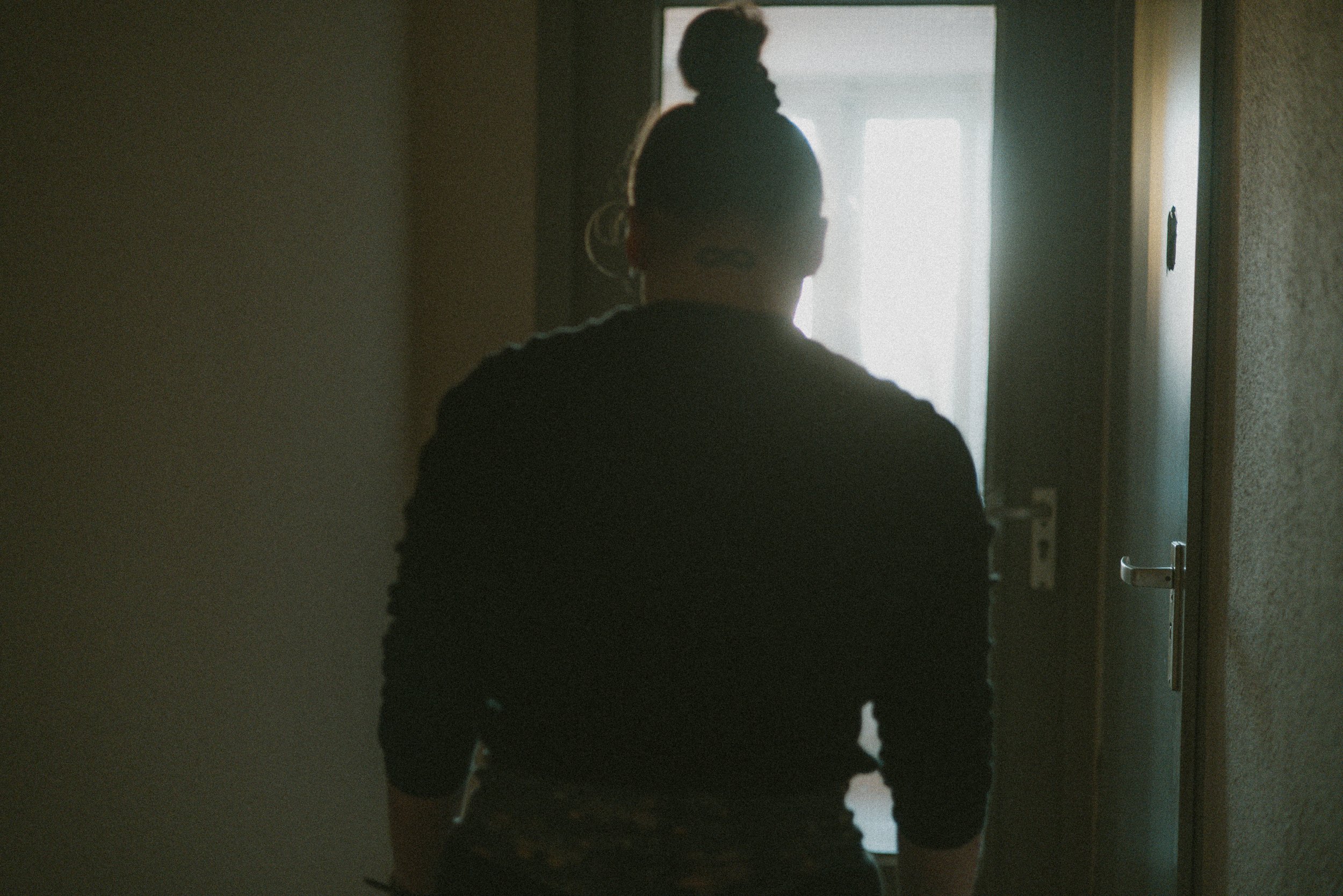
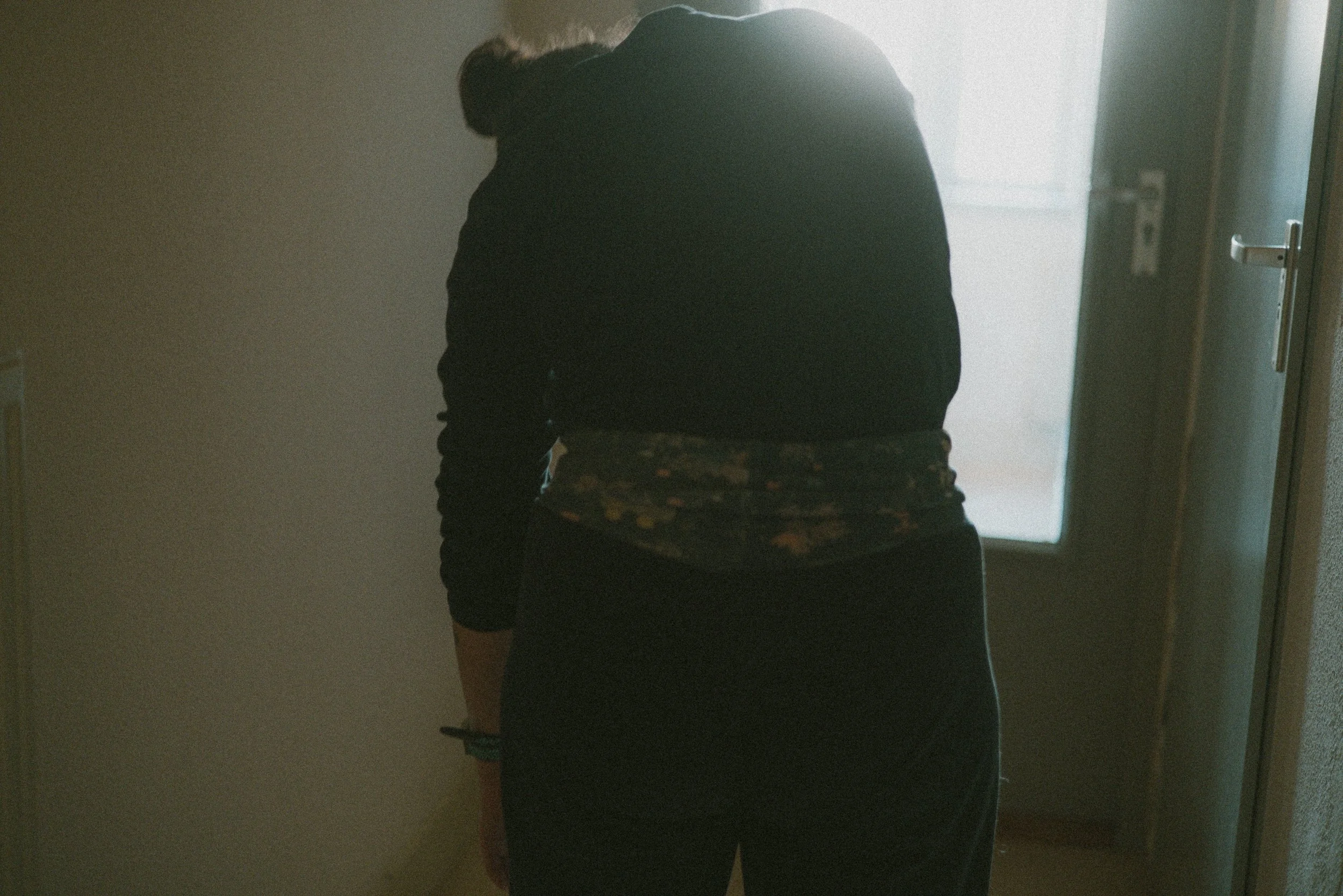
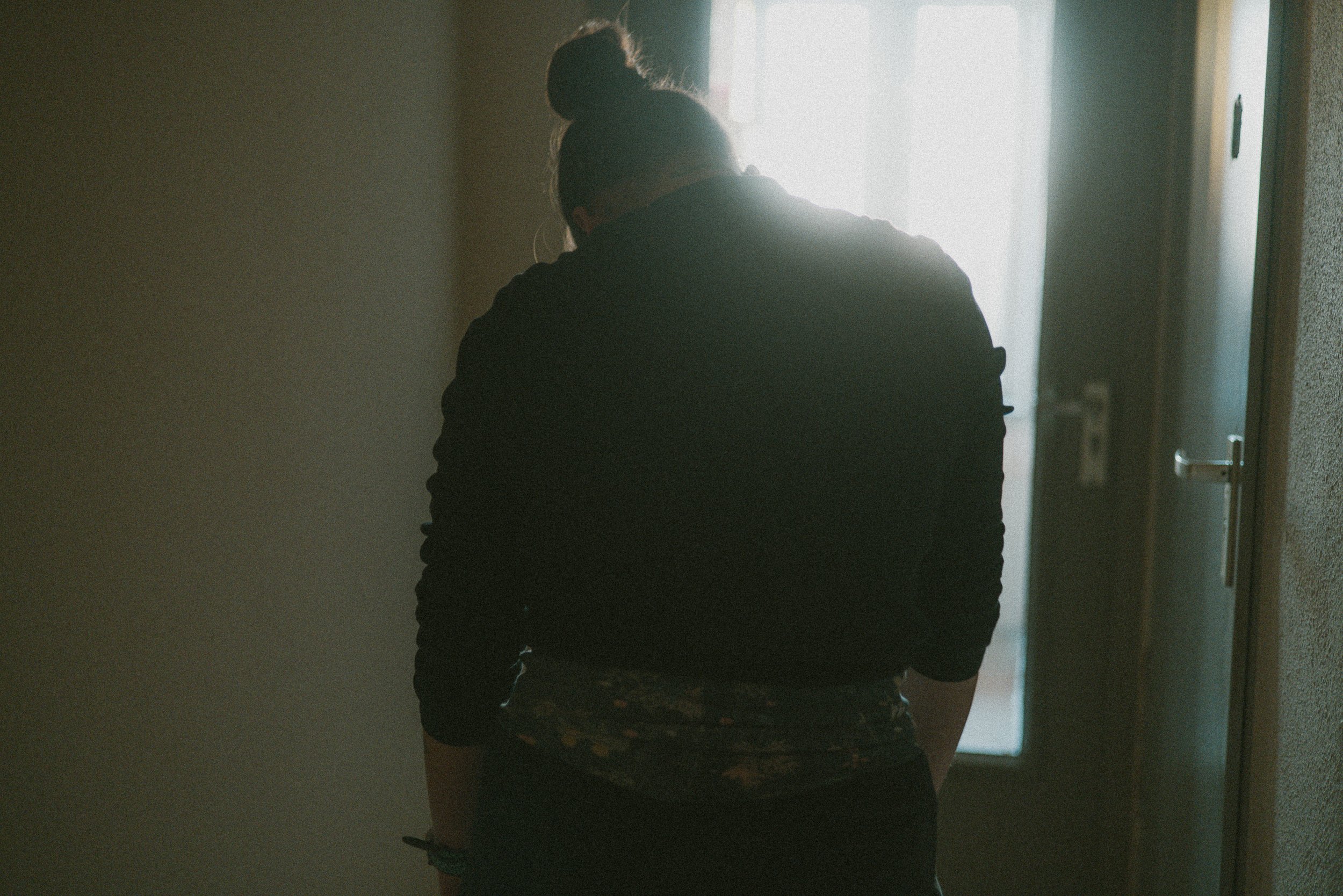
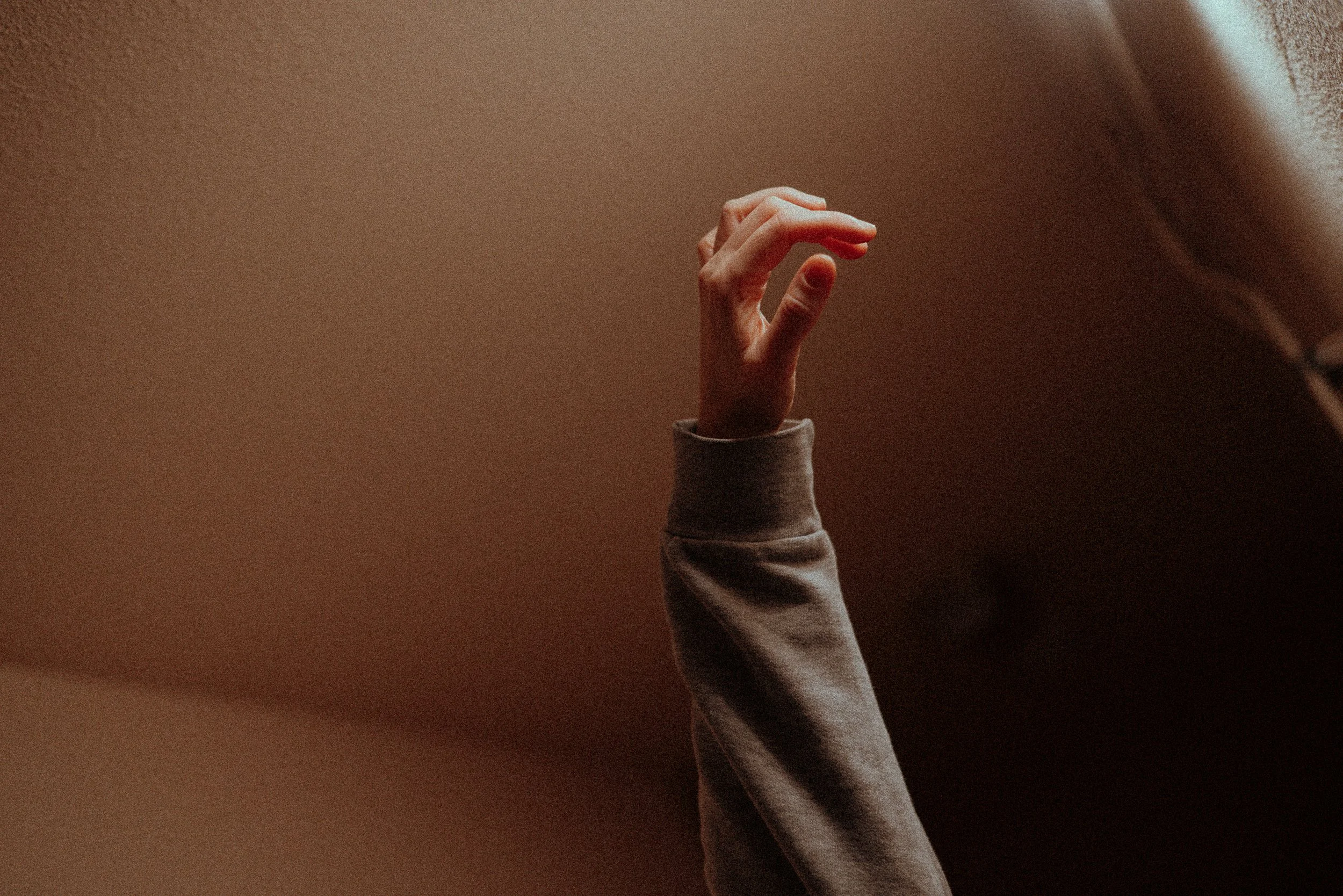
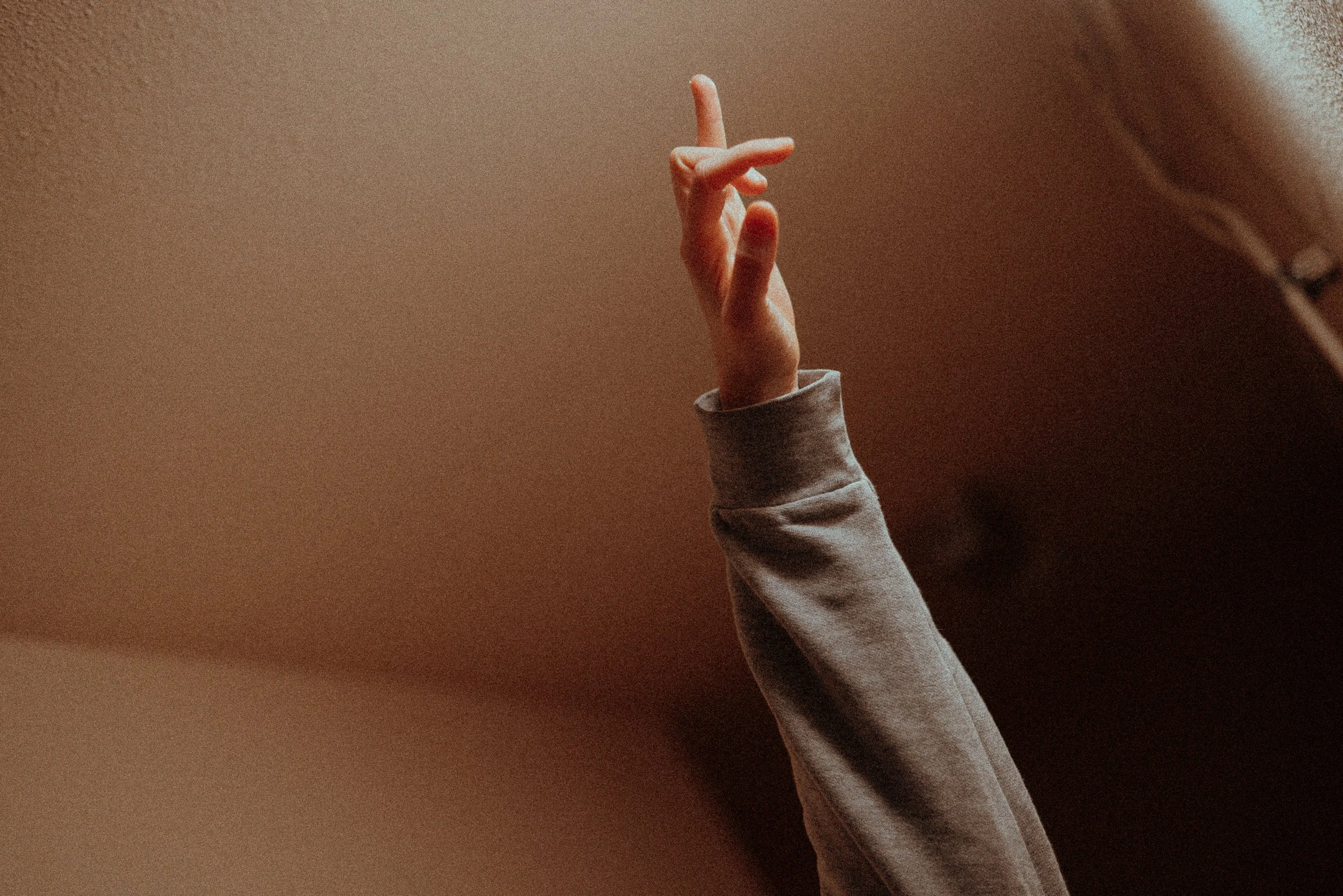
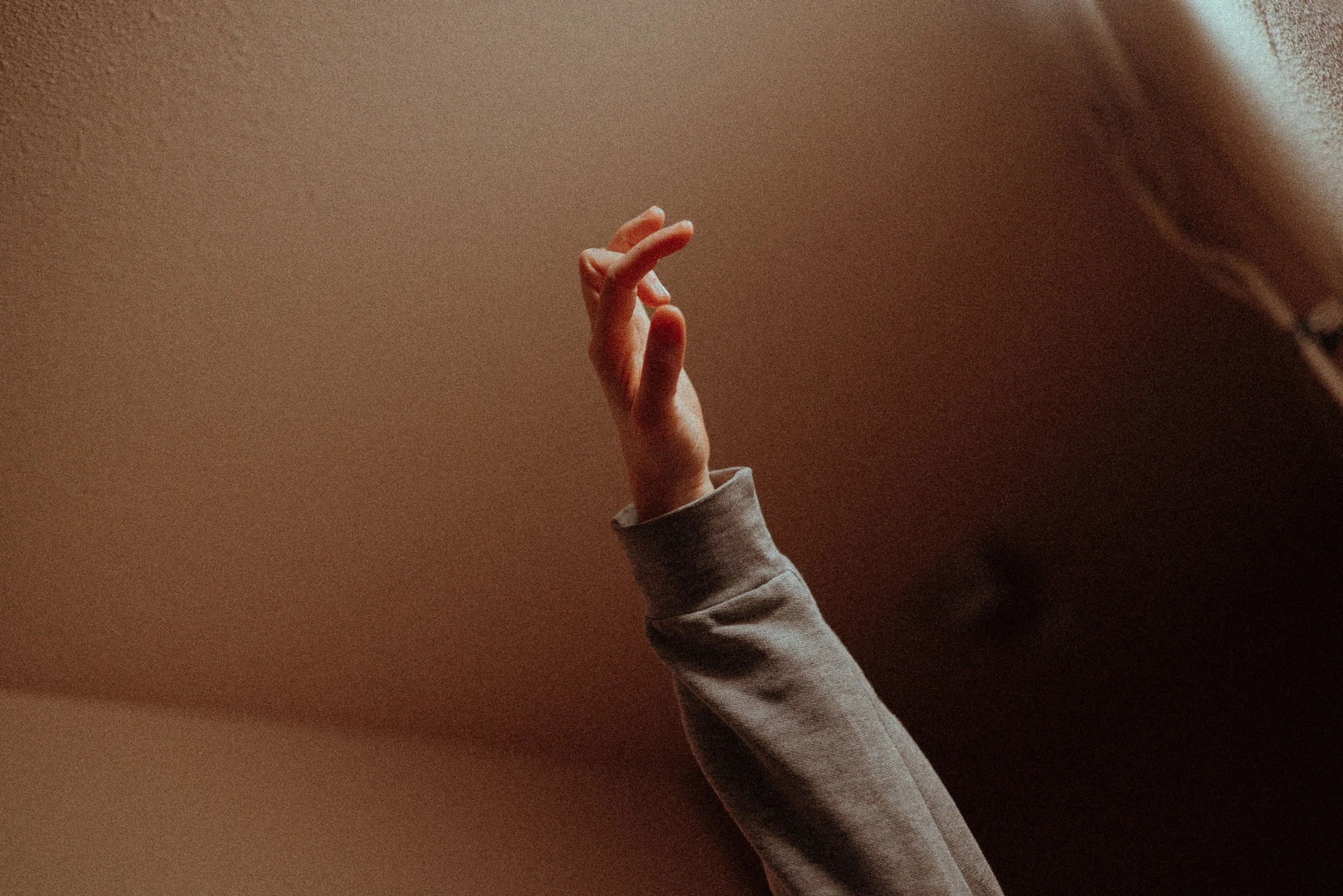
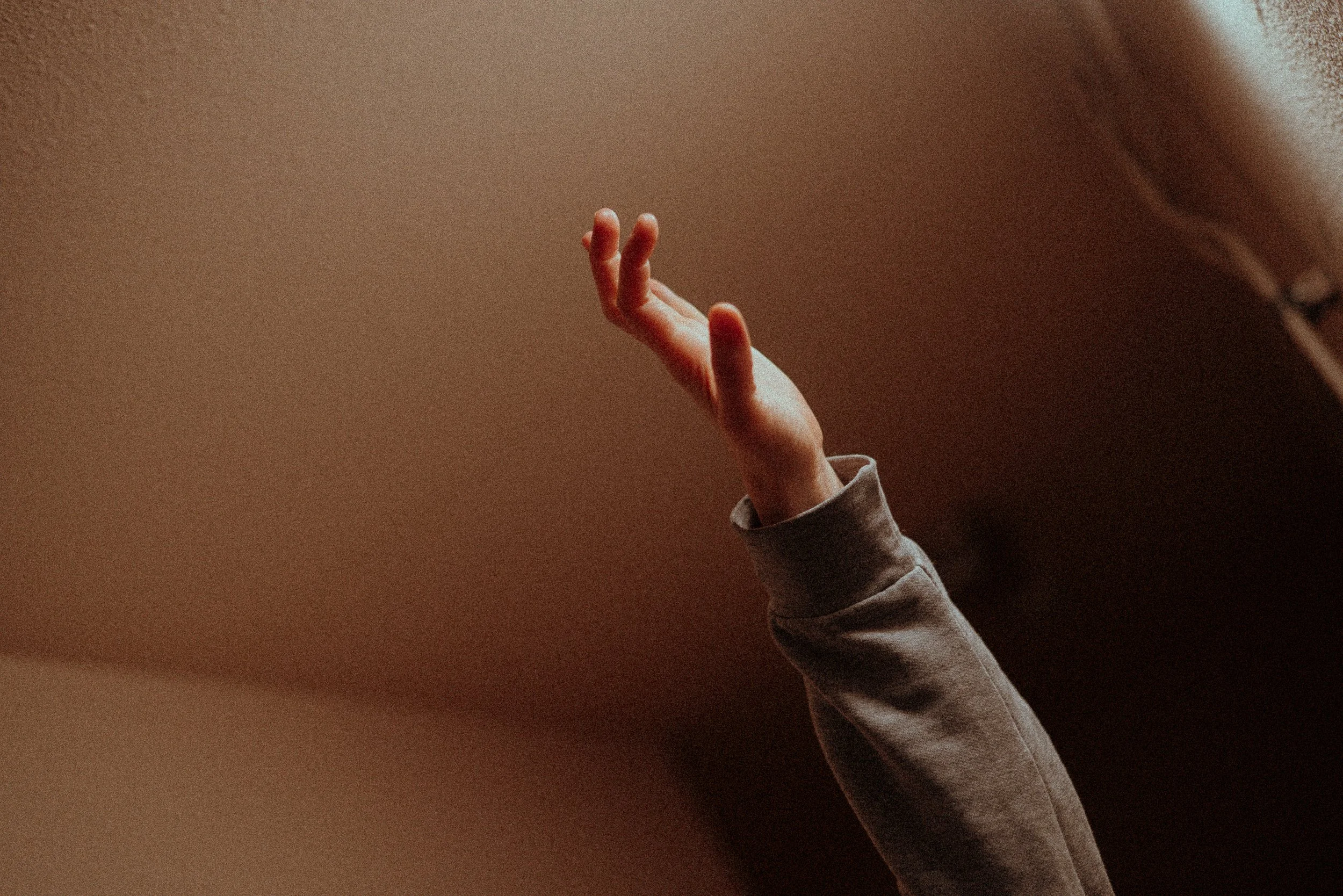
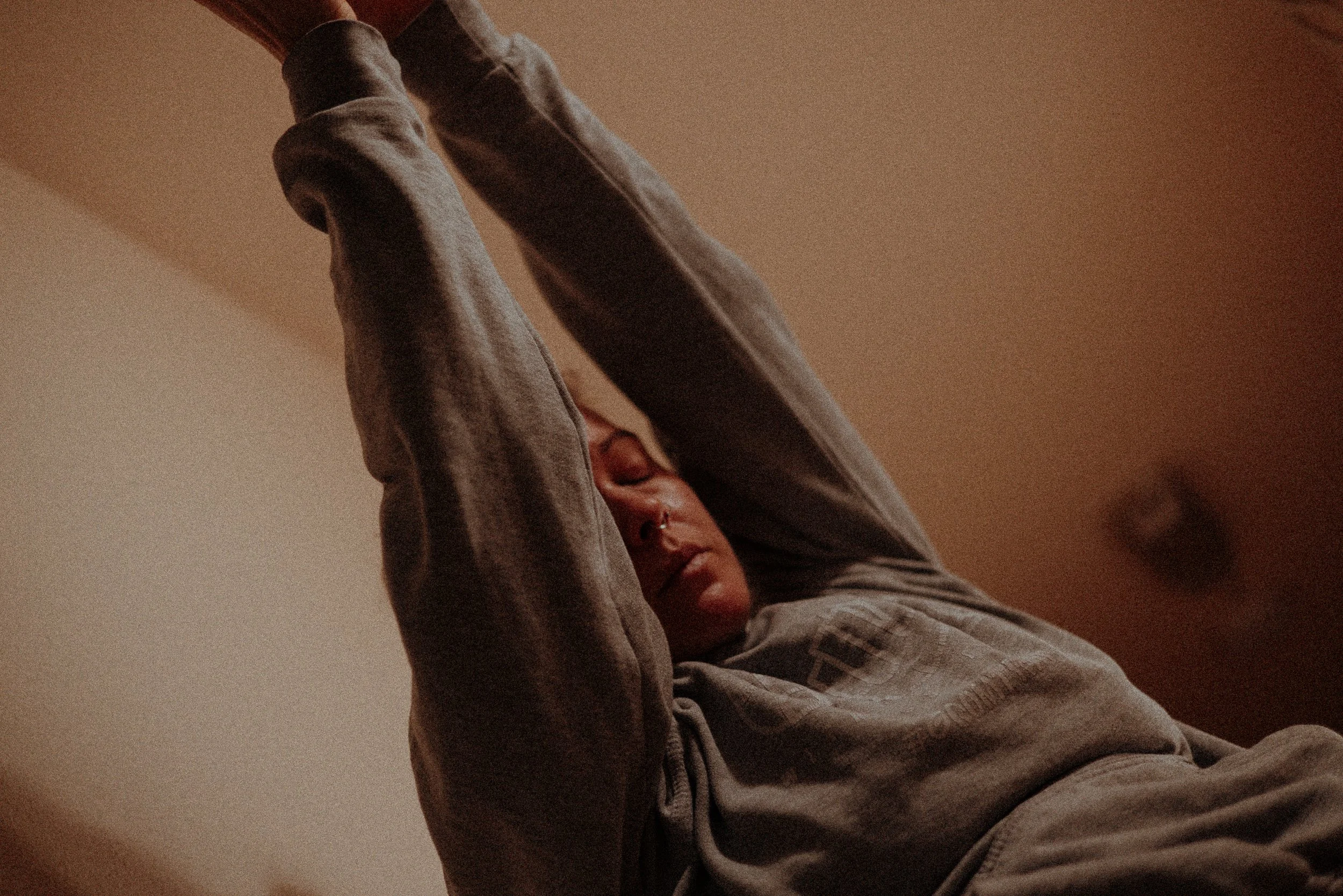
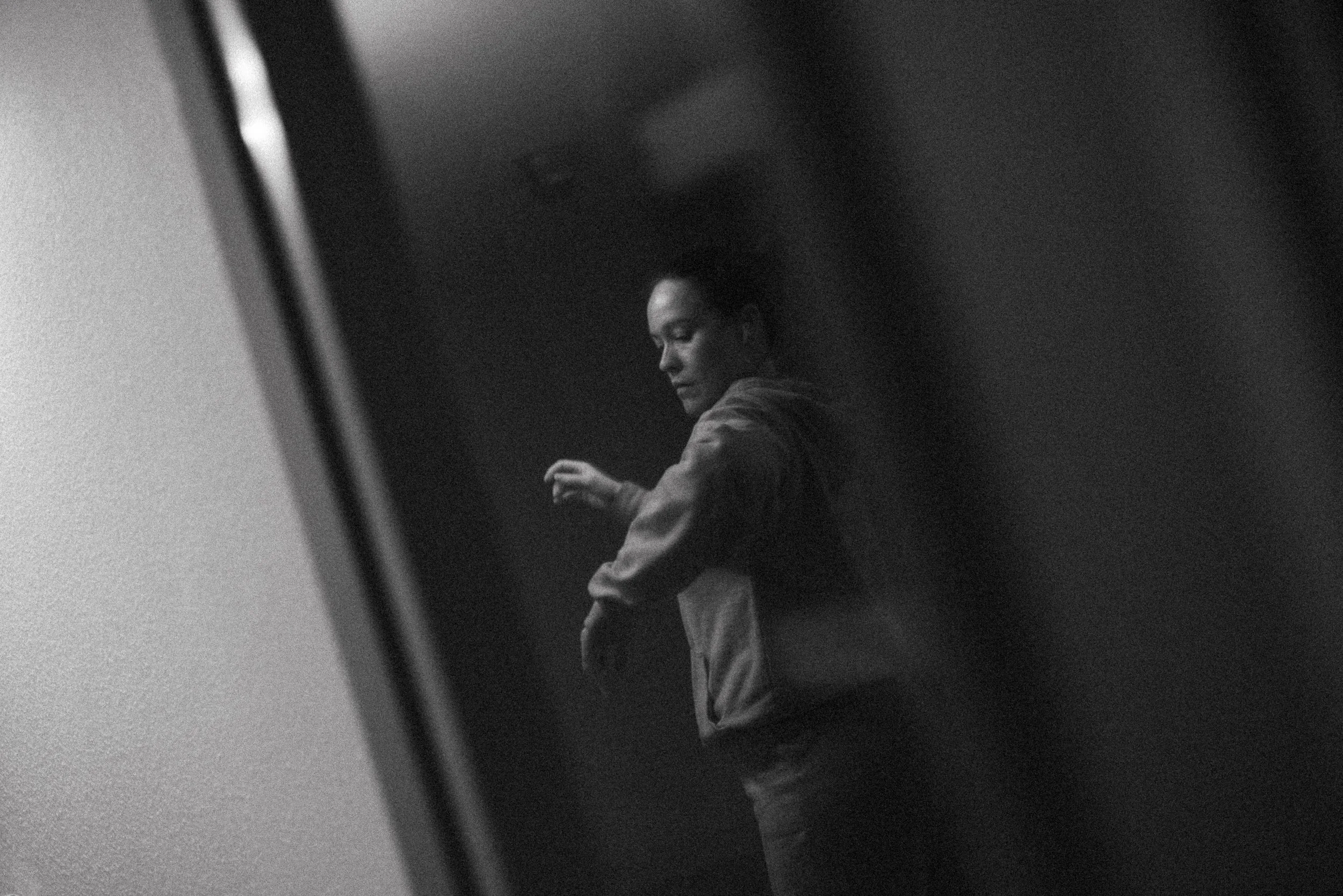
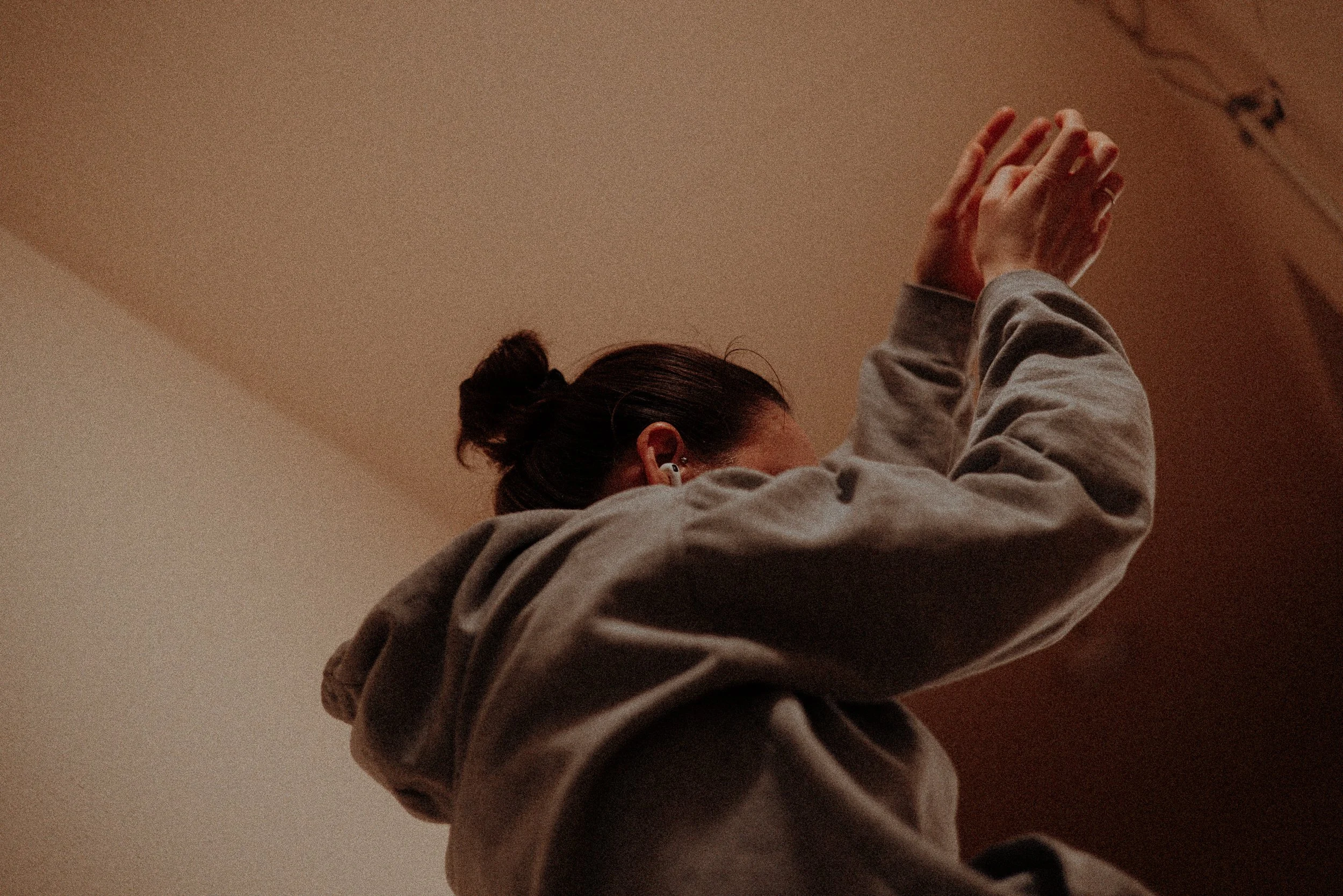
home(based) portraitsDuring the winter break, when I had no studio, the hallway outside my bedroom became my practice space. My movements became small and contained, constrained by the narrow corridor.
In that constraint, I started to notice new things. My joints softened, and unfamiliar pathways traced themselves through my body. As I moved, memories stored deep in my muscles surfaced.
The space marked me as much as I marked it. Over time, the steady, repetitive motion turned into a quiet conversation between my body and the walls around me. The photographs in the book—these home(based) portraits—try to hold that conversation in still images.
The more I worked, the more the book started to feel like a moving archive rather than a fixed record. Choreography became a means of keeping memory alive, not of pinning it down.
The pages shift between South Africa and the Netherlands, between studio and street, diary and portfolio. They bring together found objects, performance experiments, family photographs and everyday screenshots.
This portfolio presents a methodology for investigating embodied memory through choreographic practice. The work demonstrates how collection, site-specific movement, and careful documentation can generate knowledge about how history, geography, and affect are inscribed in the body.
The portfolio is offered as both a research document and an ongoing inquiry. It functions simultaneously as archive, diary, and theoretical argument—inviting viewers to consider how their own bodies carry traces of history, and how choreography might serve as a tool for accessing and articulating that embedded knowledge.